Singapore's energy story is still being written.
Up next
How we're lighting up the trail towards a clean energy future.
Government officials will never ask you to transfer money or disclose bank log-in details over a phone call.
Call the 24/7 ScamShield Helpline at 1799 if you are unsure if something is a scam.

DEC 12, 2025 | 5-MIN READ
Imagine it’s the year 2050. The air conditioning hums constantly in your home – not by choice but by necessity. Singapore’s Third National Climate Change Study1 projects that daily mean temperatures could rise by as much as 5ºC by the end of the century. And with extreme heat days climbing from 54 days to over 300 days per year, the once-welcomed sunshine becomes unbearably challenging to cope with. Outdoor activities may feel like a questionable notion, and it could be a strain to enjoy a leisurely stroll in our island city. Are you feeling the heat already?
Reducing our carbon emissions may sound like a distant, abstract goal – a matter for scientists and policymakers to worry about. But this goal hits a lot closer to home than you’d think: the sweltering scenario could very well happen sooner than we’d like. The way we live, work and play could take an uncomfortable turn. So instead of waiting, Singapore is acting now to cut the carbon emissions that fuel climate change.
Getting there will take time, and the challenge is compounded by the fact that Singapore’s emission reduction goals and energy transition are interconnected. The way we generate electricity is also one of Singapore’s largest sources of emissions. Today, about 95% of our electricity is generated using imported natural gas – a cleaner fossil fuel, but still a source of carbon emissions. We need to increase the share of cleaner energy sources like solar and low-carbon electricity imports, along with other alternatives to reduce our emissions further.
But changing our energy mix isn’t as simple as flipping a switch. Before we can get there, we need to solve a tough puzzle: how do we move fast on climate action, while keeping our power supply secure and costs manageable?
This is where the energy trilemma helps illustrate Singapore’s energy balancing act – we must juggle three big goals: maintaining affordability, ensuring energy security, and achieving cleaner energy. Here’s what managing each aspect of the trilemma means in practice.
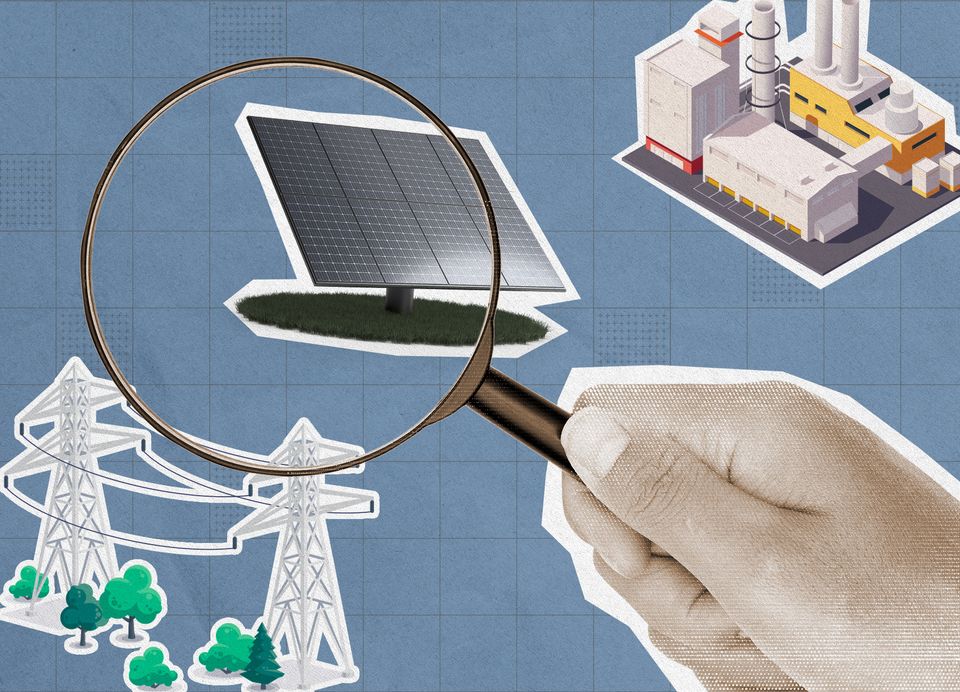
Cleaner energy could be more expensive than our existing energy sources, especially in the early stages when new technologies tend to be costlier. This challenge is even more pronounced in Singapore, where we have limited land and natural resources.
As we transition, lower- to middle-income HDB households receive support to help them cope with utility costs through U-save rebates.
We rarely think about electricity – until it’s gone. It powers our phones, our homes, our trains and everything that’s essential to us. Disruptions, whether from supply chain issues or a global fuel crisis, can cause real problems for everyone, everywhere.
Singapore’s grid is one of the most reliable in the world. To make sure it stays that way, we are diversifying our energy sources and investing in backup systems.
Cutting emissions means moving away from fossil fuels – the kind that trap heat and warm our planet.
By adopting alternatives like solar, low-carbon electricity imports, and considering other low-carbon alternatives such as nuclear energy, we can effectively reduce our carbon footprint.
The hard truth is that every energy choice we make involves trade-offs. Pushing hard on one goal can end up pulling us away from achieving another.
For example, go all-in on the cheapest options, and we might compromise on reliability or meeting our environmental goals. Focus on the cleanest energy sources, and costs could climb further due to the new technologies or infrastructure required.
The key is finding the right balance – and there’s no one-size-fits-all solution. That’s why Singapore is taking a calibrated approach and pursuing a diversified mix of clean energy sources.
It’s not easy, but it’s essential for our future. And if we get it right, we’ll secure not just greener, more affordable power – but also a more resilient, sustainable Singapore.
So the next time you flick on a light switch or take the MRT – remember: powering a brighter future starts with making smart moves today to balance affordability, sustainability and security.
Up next
How we're lighting up the trail towards a clean energy future.
References