
Opening doors to new markets: Singapore’s ties with the Pacific Alliance
DEC 17, 2025 | 5-MIN READ
Government officials will never ask you to transfer money or disclose bank log-in details over a phone call.
Call the 24/7 ScamShield Helpline at 1799 if you are unsure if something is a scam.

JAN 21, 2026 | 5-MIN READ
Singapore’s energy transition is well underway and the goal is clear: cleaner energy, without compromising on reliability or affordability. But getting there means reshaping how we power the nation on several fronts.
Instead of betting on one silver bullet, Singapore is taking a multi-pronged approach to decarbonise our energy mix with four key pathways: solar, low-carbon electricity imports, emerging low-carbon alternatives, and natural gas. Together, they form a diversified portfolio that reduces emissions while ensuring our power system remains secure.
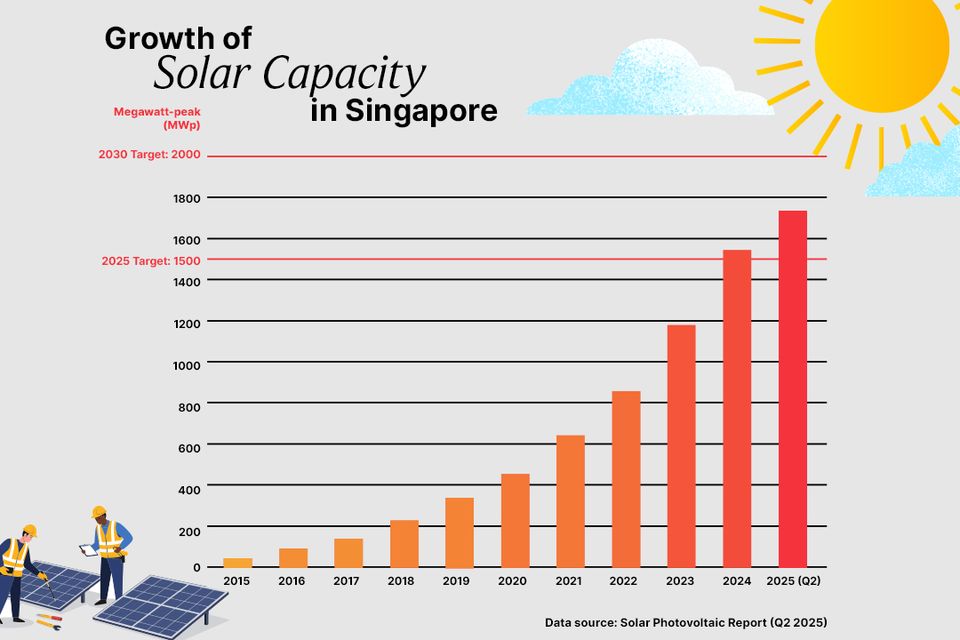
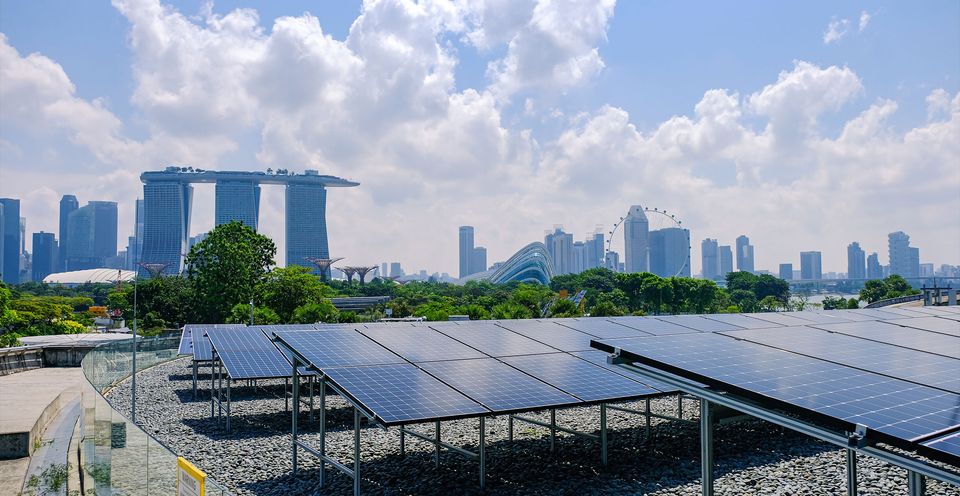
Singapore has already crossed our 2025 target of deploying 1.5 GWp of solar, and we are on track to hit our next milestone of at least 2 GWp by 2030 – enough to power about 350,000 households for a year.
But solar can only do so much on a small, dense island. Even with more panels on reservoirs, public infrastructure and rooftops, solar is expected to meet about 10% of our electricity needs. This means we will need other sources to supplement our energy mix.
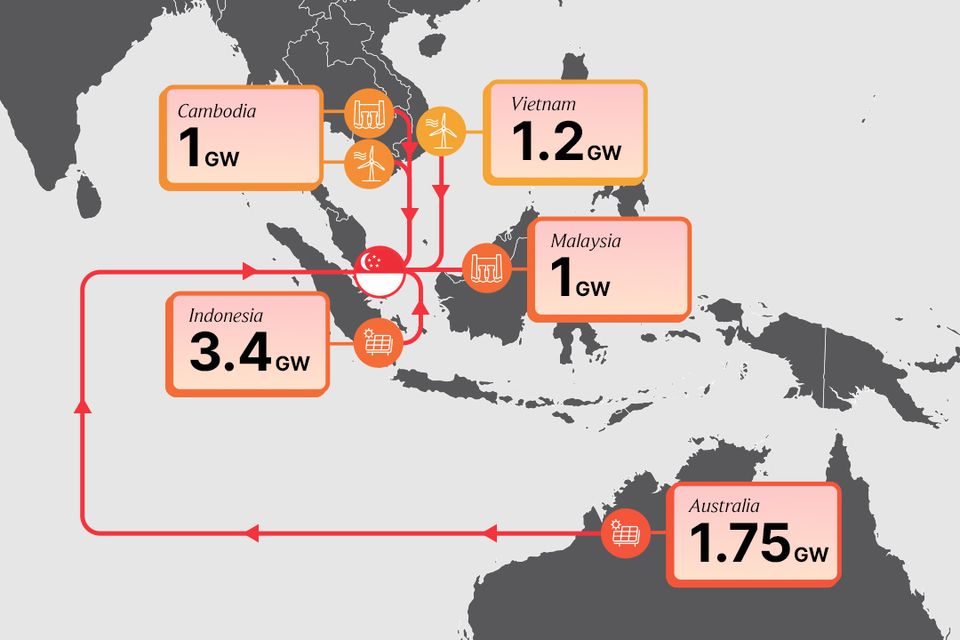
Singapore plans to import low-carbon electricity from our neighbours, with pilot projects already in progress. By doing so, we expand our energy options, promote development of renewable energy in the region, and pave the way for a fully integrated ASEAN Power Grid.
To date, 11 projects have been awarded Conditional Approvals to import low-carbon electricity from Australia, Cambodia, Indonesia, Sarawak (Malaysia) and Vietnam.
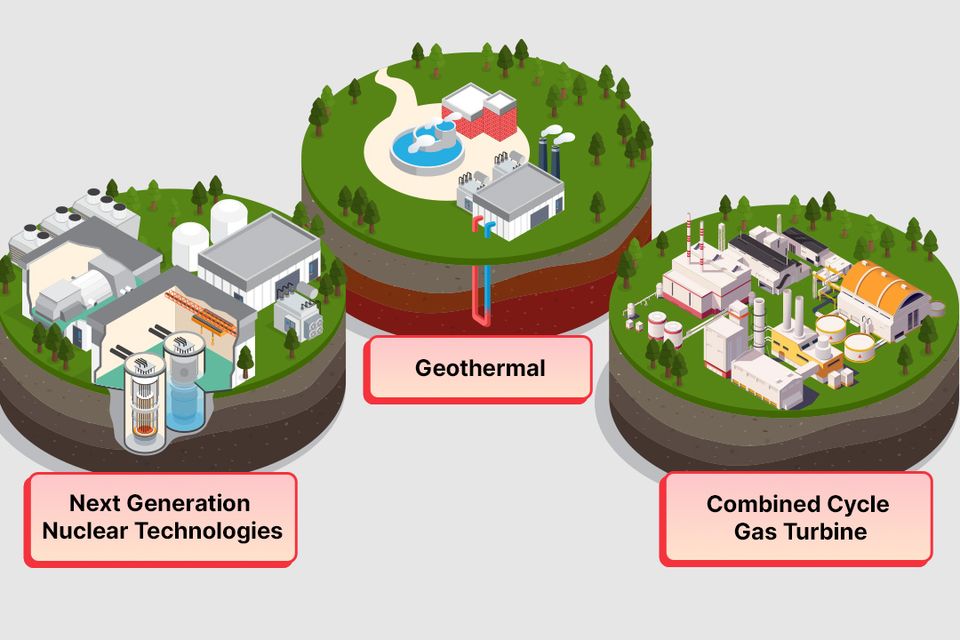
Singapore cannot rely on just one breakthrough technology. We are actively evaluating potential options that could reshape our energy story.
In the near term, we are exploring biomethane. Produced by upgrading biogas from organic waste or residues to almost pure methane, biomethane is chemically identical to fossil-derived natural gas. This means it can be used as a drop-in substitute in existing infrastructure.
Hydrogen can be co-blended with natural gas for power generation, and could potentially be burned directly in future. We are also studying ammonia as a possible power generation fuel. Ammonia produces no carbon emissions when combusted and serves as a hydrogen carrier. Plus, it has an established international supply chain, and the ability to be stored and transported over long distances.
Geothermal is also a possibility, with studies ongoing to assess Singapore’s potential of harnessing deep geothermal energy for power generation.
Then there is carbon capture and storage (CCS), which involves capturing carbon dioxide emissions so that they can be stored. While we are still in the midst of feasibility studies, this is an area worth watching, especially as the technology continues to evolve.
Nuclear energy remains on the table too. While no decision has been made on whether we will deploy nuclear energy, we are building capabilities to deepen our understanding, especially in next-generation nuclear technologies, and studying its potential deployment in the longer term.
Many of these pathways will only become viable with further innovation and technological breakthroughs. Singapore is therefore committing more resources to research, development and pilot projects as part of Singapore’s Research, Innovation and Enterprise (RIE) 2030 Strategy.
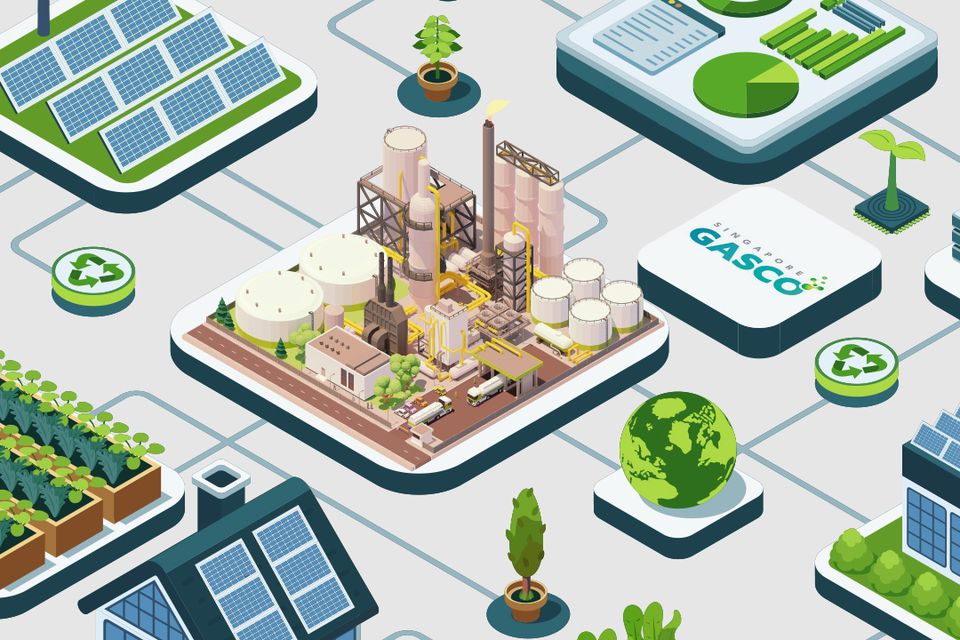
Natural gas currently remains one of Singapore’s most reliable energy sources, while we scale up our efforts on clean energy deployment.
To ensure energy security, Singapore GasCo has been established to centralise the procurement and supply of natural gas for power generation in Singapore. It will diversify supply sources and secure longer-term contracts for greater reliability and price stability. Singapore is also developing a second liquefied natural gas (LNG) terminal to enhance energy security and meet growing natural gas demand.
There's no single solution to Singapore's energy challenge. We cannot rely on solar alone. Imports take time to scale. Emerging technologies need years of development. So we are moving forward on multiple fronts, investing early and keeping multiple pathways open without disrupting daily life. That is what makes this transition both challenging and crucial.
Singapore’s energy future will not be built on sudden leaps or gambles. It will be built on calculated bets and steady moves, guided by a long-term vision that keeps our nation powered and ready for what comes next.