Old recipes meet new machines – how heritage food companies are reinventing the factory floor
Back

Old recipes meet new machines – how heritage food companies are reinventing the factory floor

JUL 24, 2026 | 10-MIN READ

The popiah skin and nonya kueh may taste old-school, but the factories making them are anything but.

Gavan Sing has been in his family’s kitchen since he was six, watching as aunties handcrafted each nonya kueh. When he took over Lek Lim Nonya Cake Confectionery (Lek Lim) 15 years ago, this third-generation owner knew what he wanted to change: the physical grind of kitchen labour and an opaque production chain with limited traceability.

Meanwhile, Loo Wen Lieh, the Group Financial Controller at Tee Yih Jia (TYJ) had a different challenge. TYJ, most famous for its Spring Home popiah skin among other products, was moving into a facility three times larger at 1.07 million sq ft. Its previously manual warehousing processes had to modernise.

Two distinct, unglamorous problems needed bold fixes, which came in the form of digital innovation.

Tee Yih Jia: Building one of Asia’s largest cold stores with zero job loss
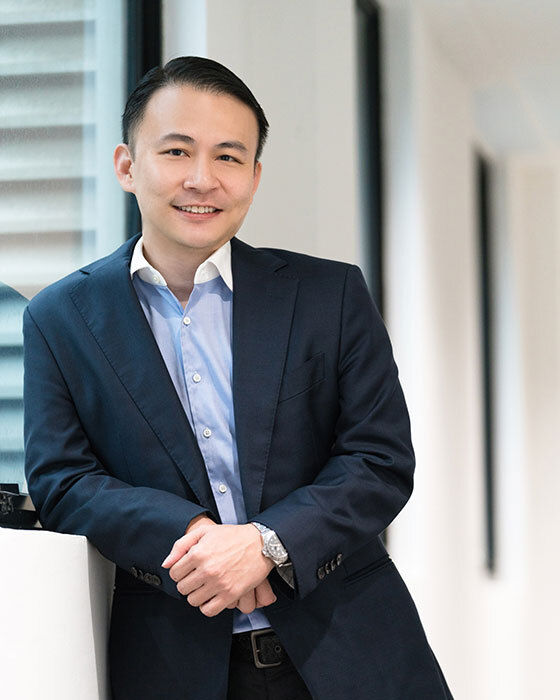
Loo Wen Lieh

Everyone gets excited about automation, but there is a lot of work behind it. We have invested massively into our IT infrastructure, software, cybersecurity and human capabilities.Share quote

Loo Wen Lieh, Tee Yih Jia
Wen Lieh led TYJ's digitalisation efforts at its nine-storey TYJ Food Hub, just 200m away from the company’s old factory.

There was a time when everything at TYJ’s warehouse was done manually. Forklift drivers navigated cold rooms at -18oC, organising and retrieving heavy pallets by sight and memory. But with over 5,000 SKUs ranging from pastry skins to roti prata, and distribution to over 80 countries, the expanded scale of the new Food Hub needed a new approach.

“We can’t keep hiring more manpower to work in a much larger cold room,” says Wen Lieh.

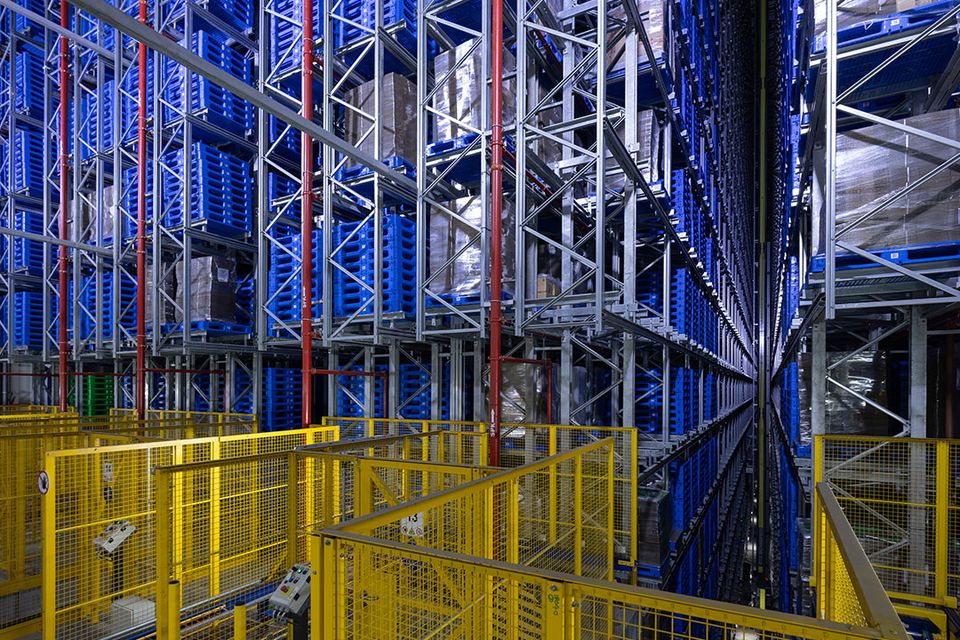
The answer was an Automated Storage and Retrieval System (ASRS) implemented at the new facility, which obtained its Temporary Occupation Permit in November 2022 to support increased production capacity.

Cranes now travel along narrow 100m long aisles, storing and retrieving pallets stacked up to 22 levels high, beyond the three-level limit of forklifts. While the old cold room held 10,000 pallets, the fully automated space now stores 100,000 by leveraging vertical space.

Every pallet is checked for weight and dimensions by the system. Beyond storage, the ASRS delivers 24/7 accuracy and consistency at scale, reducing human error and physical toll.

Today, almost no one needs to work in sub-zero temperatures. This is a boon for workers’ health and safety, without any job loss.

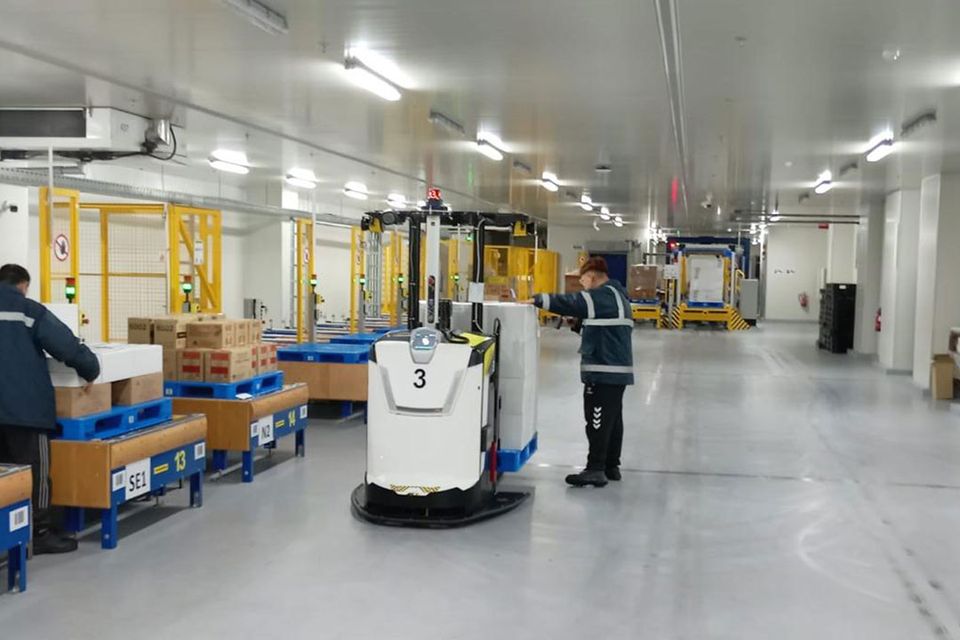
Pallets automatic transport
Pallets are automatically transported to the anteroom where workers pack and prepare orders for shipping.

“Most of them have been directed to the anteroom where we fill containers and prepare them for delivery,” says Wen Lieh, who has been leading the company’s digital transformation efforts. In fact, headcount has grown due to TYJ’s physical expansion and digitalisation needs.

The ASRS also generates extensive data such as exact product location, storage duration and supplier details. Through data analysis, TYJ can better manage inventory levels and warehouse space.

ASRS high-density storage
TYJ’s ASRS allows for high-density storage while benefiting workers’ health and safety.

Wen Lieh is candid about work needed behind the scenes. He built an in-house IT team from scratch when few in the market had experience with such systems. Early on, Wen Lieh also faced user resistance.

“That is to be expected. We focused on proactively getting feedback, communicating well and reducing downtime,” he added.

As the system improved, feedback tapered off and user confidence increased. To Wen Lieh, these were clear signs of buy-in, though the system remains a work in progress.

“We want to optimise the system’s resilience and speed. AI predictive maintenance is another exciting prospect we are exploring in the longer term,” he adds.

Lek Lim: From whiteboard planning to full traceability

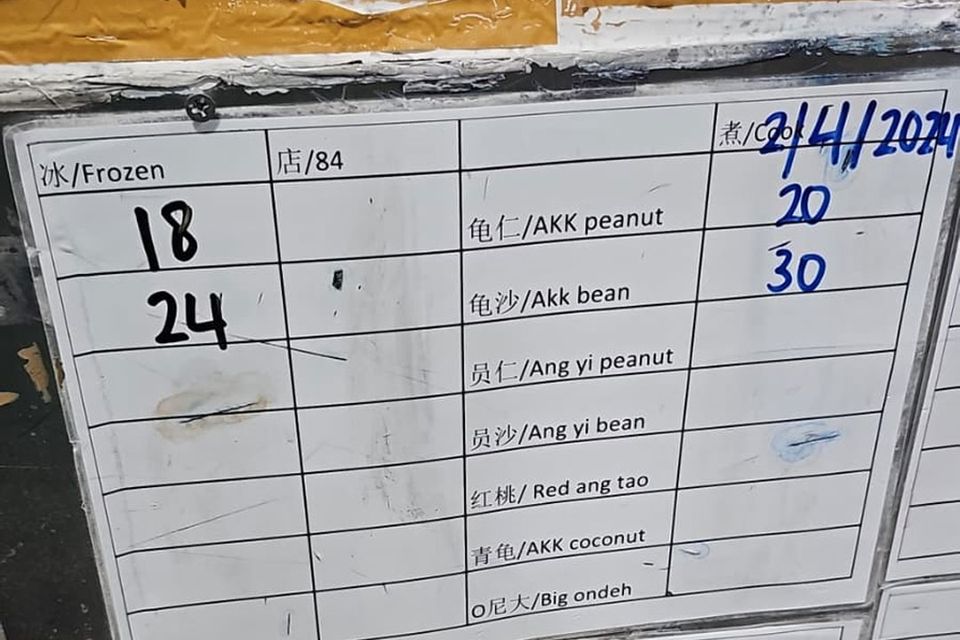
Lek Lim old whiteboard
The old whiteboard in Lek Lim’s central kitchen showing differences in the planned output in blue and actual output in black.

Production planning at Lek Lim used to happen on a whiteboard in the kitchen. Someone would write up the day’s plan in marker based on computed notes, incorporate feedback, and photograph the updated plan before sending it over WhatsApp. After which, someone else in the office would then manually input the information into legacy software.

Production input and output sometimes didn’t tally. During occasional product recalls, tracing the root cause – whether handling a mishap or problematic raw ingredient – could take a full working day.

“We simply couldn’t capture the mistakes,” says Gavan.

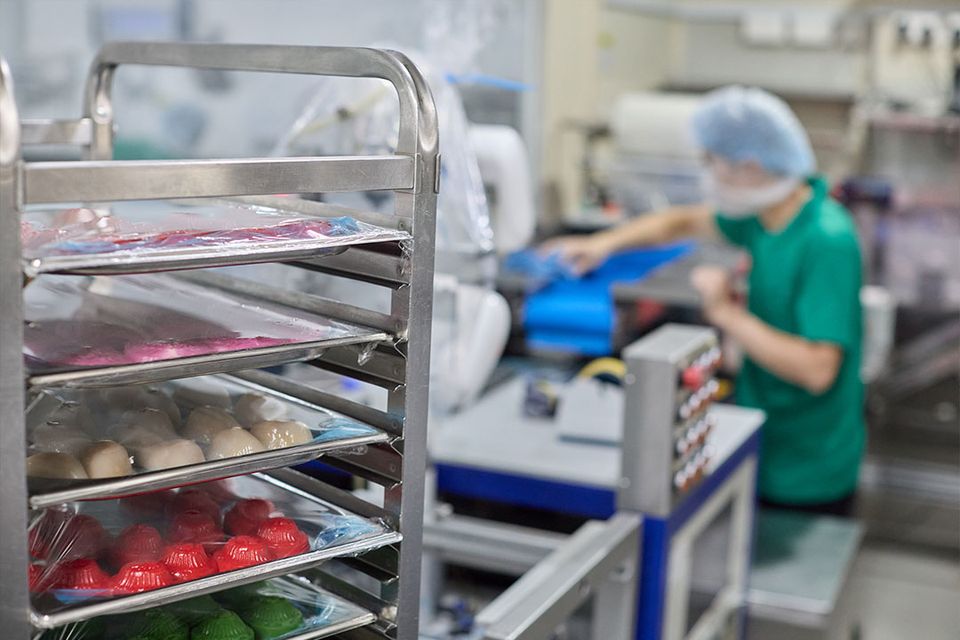
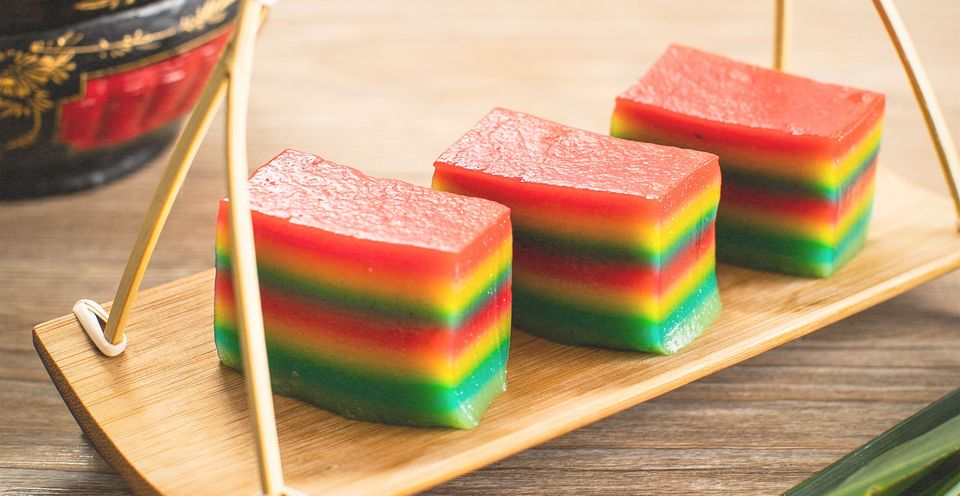
Lek Lim fresh kueh
In the past, manual processes were still manageable because Lek Lim was making fresh kueh with a shelf life of one day.

Swift traceability became non-negotiable post-COVID, when the company shifted to producing more frozen kuehs with a shelf life of one year, as they started exporting to markets like Australia, Hong Kong, Macau and the UK.

On an overseas learning trip, Gavan found an off-the-shelf recipe management system already in use at a central kitchen. The software proved to be a good fit for Lek Lim’s production chain, covering everything from order management and scheduling to cooking conditions and delivery.

The system captured data at every step, from the receipt of raw ingredients and storage temperatures to final delivery hand-offs. With support from Enterprise Singapore, Gavan implemented the system in 2024.

The impact was immediate. What once took a full day during a product recall now takes an hour. Lek Lim’s production planner, a food technologist once overwhelmed by manual work, now saves two hours daily. This frees up time for product development.

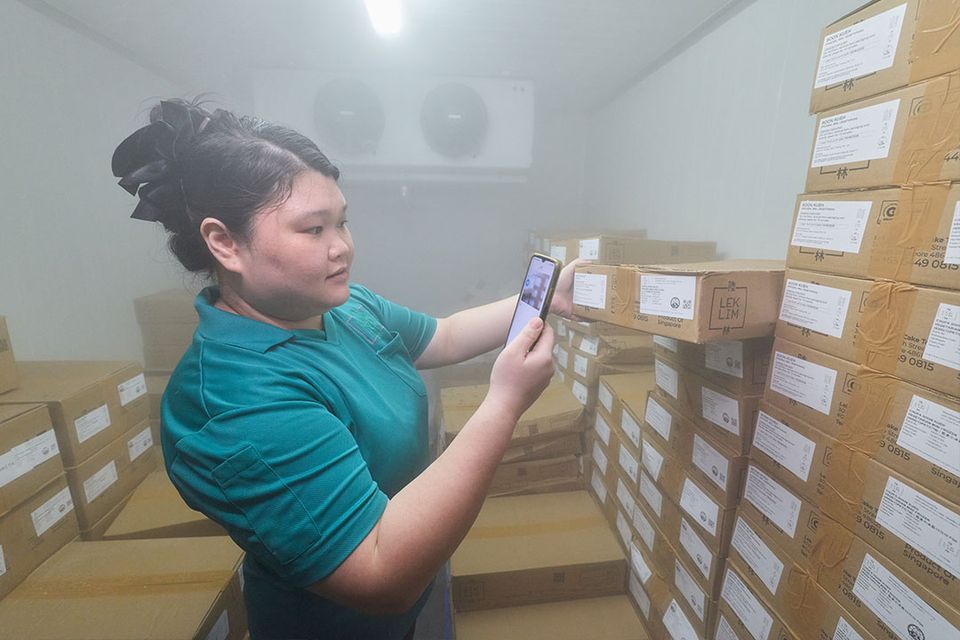
Lek Lim fresh kueh in boxes with serial number
Each carton that leaves Lek Lim’s kitchen comes with a unique QR code and serial number, linking it to its batch, operator, raw materials and production conditions.

The software also sharpened production focus. Instead of churning up to 10 SKUs a day, Lek Lim now produces only four. Planning is precise enough for Gavan to stagger EV truck charging after production ends.

“Let’s just say my people are able to go home earlier now,” he says.

In 2025, we produced 20 tonnes less than the year before but still achieved almost the same revenue.Share quote

Gavan Sing, Lek Lim Nonya Cake Confectionery

Strong leadership gives traditional food businesses the edge

Wen Lieh continues to chair weekly IT meetings and remains involved with the system operations and onground sentiments. Being hands-on keeps him grounded on cost realities of implementation and user sentiment. “Each time something went down, I could calculate the cost impact in my head,” he says.

Gavan personally tested the new system before implementation. But his motivation was never just about the numbers; it was striving to improve staff welfare and spurring business growth simultaneously. “By making processes better, we get to cut down production cycles, reducing time in the kitchen and office while maximising output.”

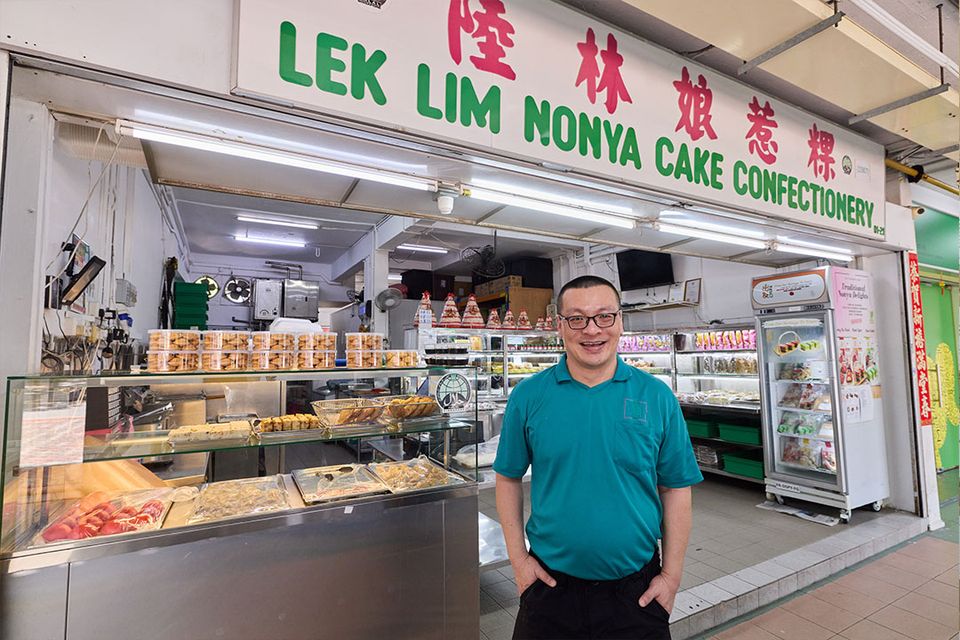
Gavan at the front of Lek Lim’s retail store at Bedok
Gavan at the front of Lek Lim’s retail store at Bedok, which opened in 1972. He believes digitalisation needs to benefit not just the business, but also his staff.

Steady leadership did more than deliver successful digitalisation projects; it created better jobs, built new capabilities and gave traditional food businesses a stronger foundation to compete and grow. At the end of the day, while well-loved recipes remain, the people making them have a better day.

Want to find out how your company can leverage the Food Manufacturing Industry Digital Plan to adopt the right digital solutions for your business needs? Visit https://go.gov.sg/foodmanufacturing-idp to learn more.