
Standards & Conformance: The invisible thread of trust
OCT 15, 2026 | 5-MIN READ
Government officials will never ask you to transfer money or disclose bank log-in details over a phone call.
Call the 24/7 ScamShield Helpline at 1799 if you are unsure if something is a scam.

OCT 22, 2026 | 5-MIN READ
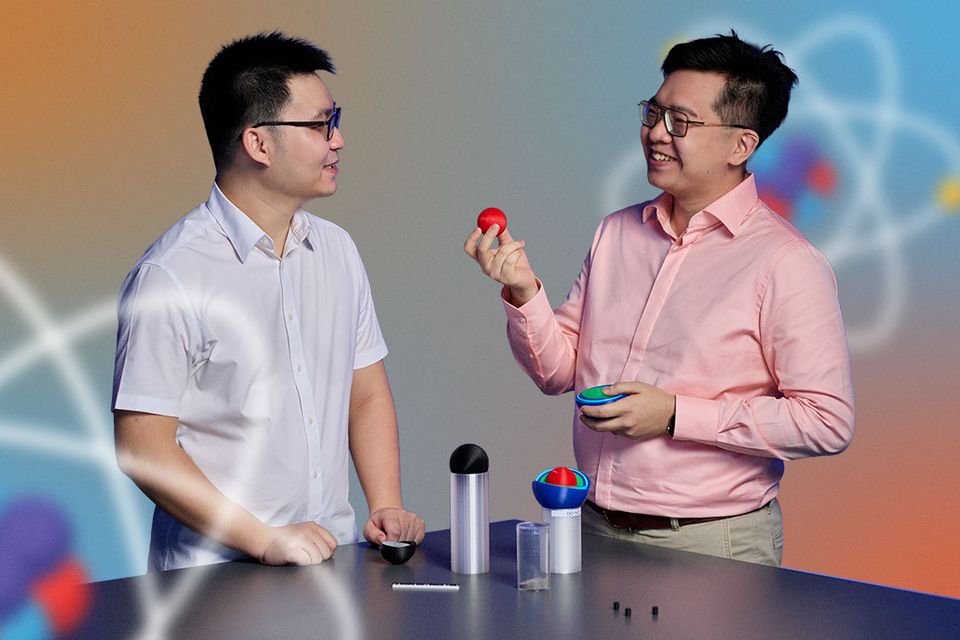
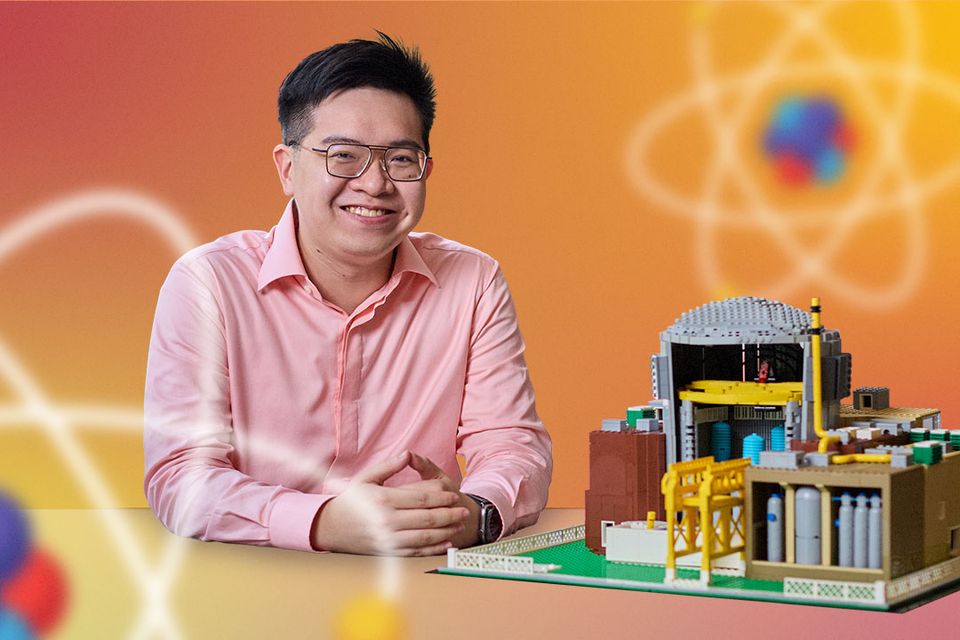
White coats. Glowing liquids. Underground laboratories. Popular culture has given us many a quirky image of nuclear scientists. But what does working in nuclear research actually look like? Dr Tan Zi Liang, a Research Fellow with the Singapore Nuclear Research and Safety Institute (SNRSI) at the National University of Singapore, offers a peek into a day in his life. We sat down with the 32-year-old Singaporean to learn what working in the field of nuclear energy is like. It probably isn’t what you think.
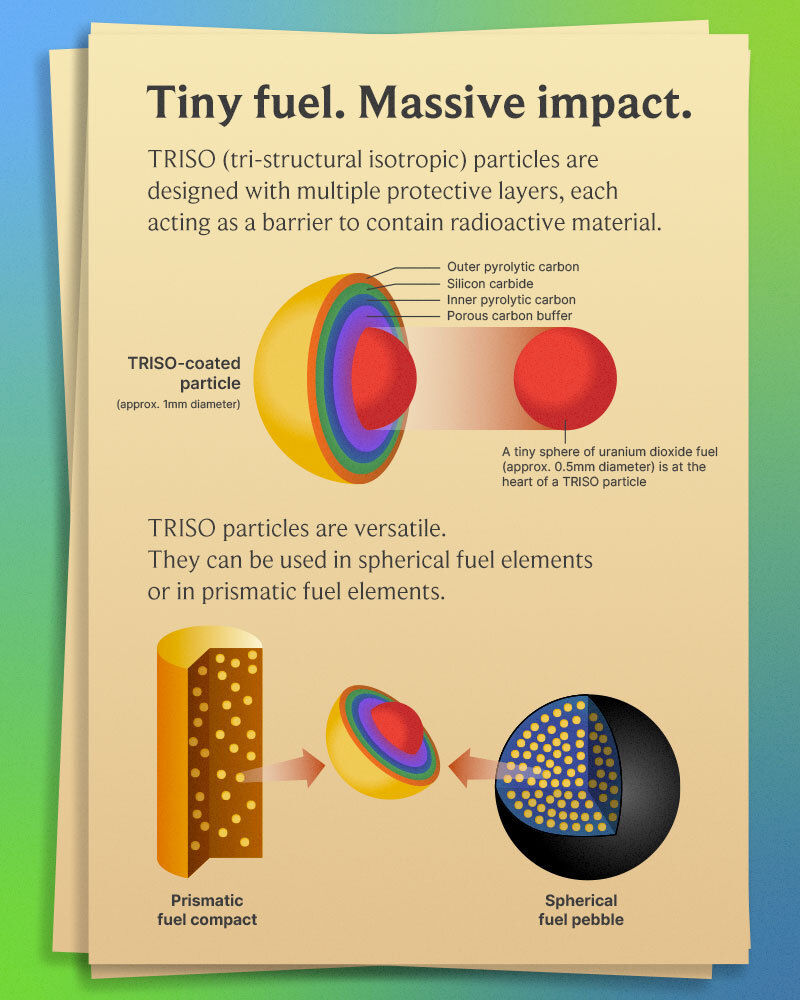
My research involves looking into the nuclear fuel cycle: tracing the journey of nuclear fuel from production and use, all the way through to recycling or disposal. A key part of my work is studying spent fuel characteristics to better understand the waste produced by small modular reactors.
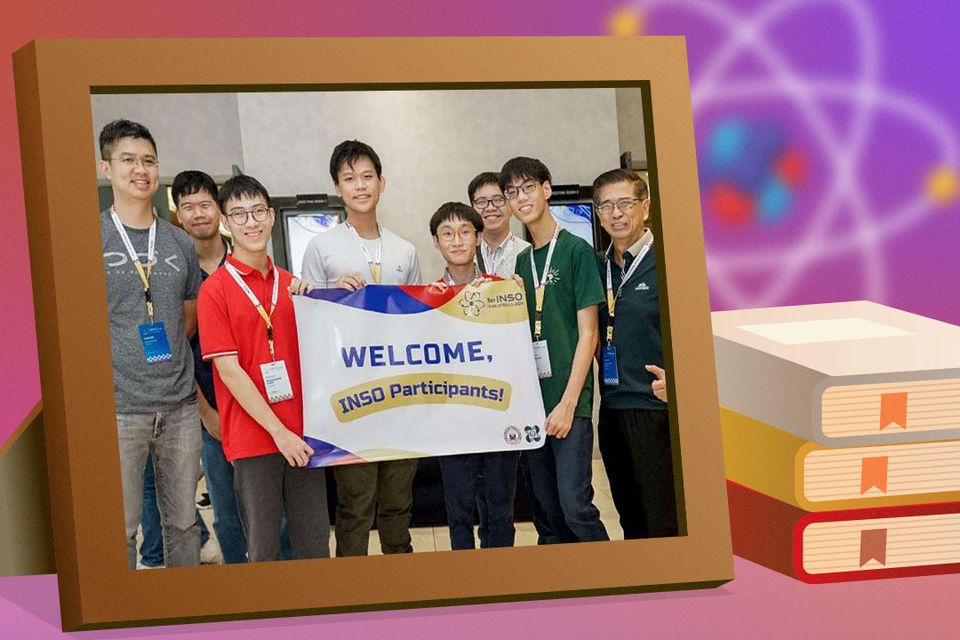
It's not too different from a typical office job. Much of my time is spent in front of a computer running simulations to model the composition of nuclear waste. In the afternoons, I might be coaching Singapore's International Nuclear Science Olympiad team. So, no, you won't find me running around with a vial of mysteriously glowing liquid!
In 2018, I developed a keen interest in Singapore’s water security and how Singapore was preparing for rising domestic demand. Desalination and NEWater serve us well, but they require significant amounts of energy to treat and process water.
So in a sense, by solving the water problem through these methods, Singapore had effectively converted a water security challenge into an energy security challenge. Looking deeper, I felt that nuclear energy had much to offer.
I was about to graduate from NUS with a Physics degree, and it turned out to be a case of being in the right place at the right time. I learnt that SNRSI was offering postgraduate scholarships. Soon, I found myself halfway across the world, pursuing a PhD in nuclear engineering at the University of Cambridge.
I believe that nuclear energy has much potential to help Singapore, and if my work helps to realise that potential, that’s exciting. I also enjoy teaching. The students are highly motivated, bright, quick learners; I just have to keep them interested! I am also currently working with the Ministry of Education to roll out e-resources on nuclear energy.
Predicting the future is never easy and nuclear energy is no exception. I believe Southeast Asia might be the last non-nuclear region, but I suspect things will change rapidly. There is a lot of interest in nuclear energy among our neighbours and some of them are already a few steps ahead.
Nuclear energy is a compelling option for addressing Singapore’s energy trilemma of environmental concerns, electricity price and energy security. I think there is sufficient interest in nuclear energy across this region to suggest a viable future for a nuclear industry here.
We are just some of many voices in that process. I am providing technical expertise through SNRSI’s Reactor Safety team and working with SNRSI’s Nuclear Policy Research Group on possible policy implications.
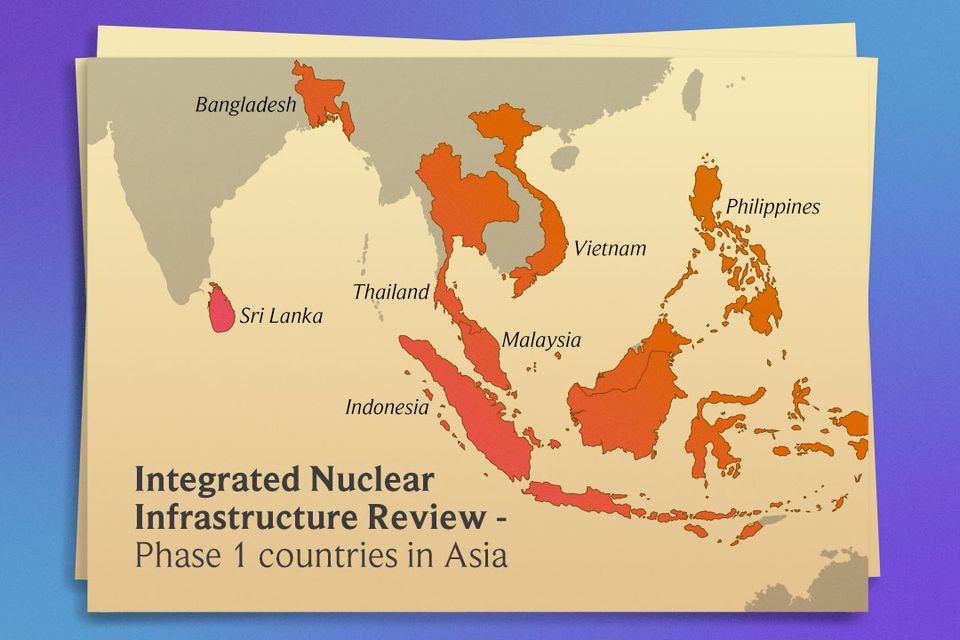
Even if Singapore does not eventually implement nuclear power, our neighbours might proceed, be it to generate power or to decarbonise their industries. Here at SNRSI, we are also developing expertise in other aspects of nuclear science, such as radioprotection, radionuclide detection and risk assessment.
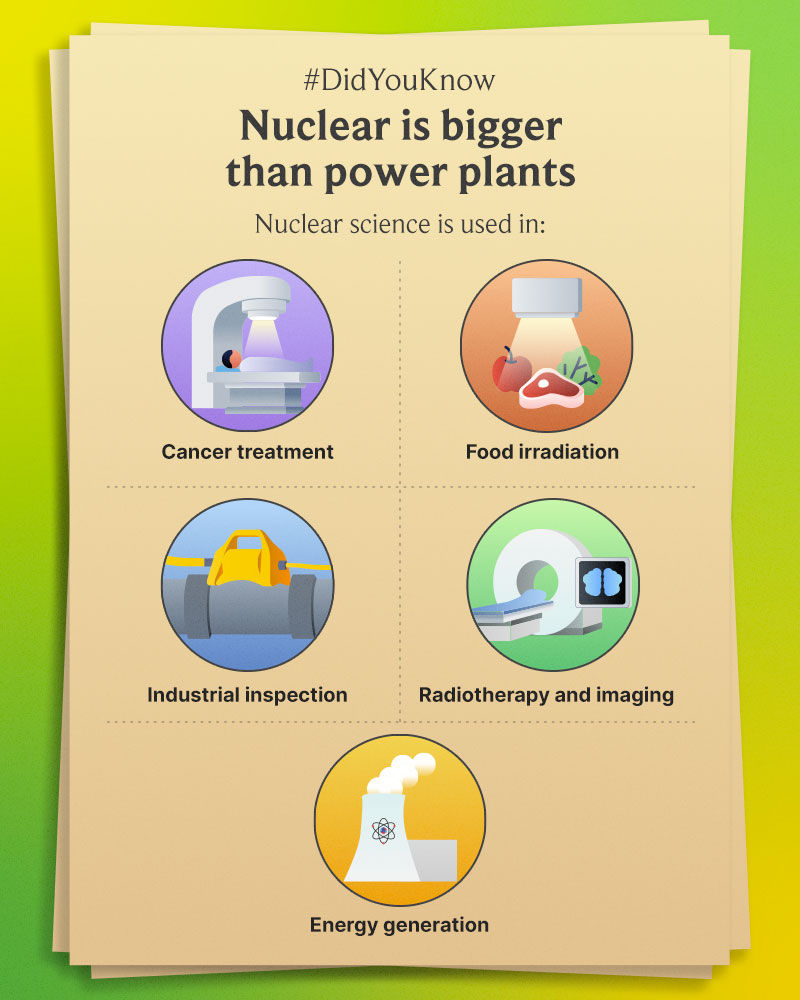
Knowledge of these aspects is important not only for understanding nuclear power, but has useful applications in nuclear medicine, industrial processes and other areas.
Nuclear energy is a low-carbon means of generating electricity. Since nuclear power plants generate heat by nuclear fission and not by burning fossil fuels, no carbon dioxide is generated directly during operations. It should be noted, however, that there will be some carbon emission arising from other processes in the nuclear fuel cycle (such as mining and transportation). It is important to also track these “lifecycle” emissions when comparing across different energy types.
Even so, large-scale analyses by the Intergovernmental Panel on Climate Change (IPCC) and the UN Economic Commission for Europe have consistently found that nuclear power has one of the lowest lifecycle carbon emissions among the energy technologies.
We should recognise that nuclear energy also produces radioactive waste which has to be responsibly managed. That being said, we have engineering solutions for managing nuclear waste, while anthropogenic carbon from fossil fuels remains an open problem. So overall, compared to the alternatives, we can consider nuclear as a cleaner option.
Nuclear energy is something that is easy to be opinionated about, but there are many misconceptions around it. Some are quite harmless; for instance, if I asked you to sketch your idea of "nuclear power", chances are you'd draw a cooling tower. Most Singaporeans who grew up watching The Simpsons might be surprised to learn that it isn't a nuclear plant. Such towers merely help disperse heat – coal plants have them as well.
Other misconceptions are more serious. Some people worry that a nuclear plant can become a nuclear bomb. I can see why they may think this way, since there have been accidents involving explosions. However, I should emphasise that these were not nuclear explosions.
For example, there was a steam explosion at Chernobyl, while the explosions at Fukushima were hydrogen explosions. Such blasts are nowhere near the scale of a nuclear bomb.
Another misconception is that new plants today are just another Chernobyl-in-waiting. In fact, nuclear plants come in a very wide range of designs, with new innovations in safety features. The reactors being built or proposed today are completely different from Chernobyl or Fukushima, so we should not think today’s designs share the same flaws with the reactors of earlier generations.
As an analogy, you may recall that a particular model of a commercial aircraft received modifications that led to two fatal incidents in 2018 and 2019. More people died in those two accidents than in the history of nuclear power. Yet as a society, we did not say “I’m never flying again". At most, people might choose to fly on a different aircraft model instead. I just wish more people could have that perspective on nuclear energy as well.
The first point is that many “different” electricity generation methods, from fossil fuels to nuclear, share a common basis.
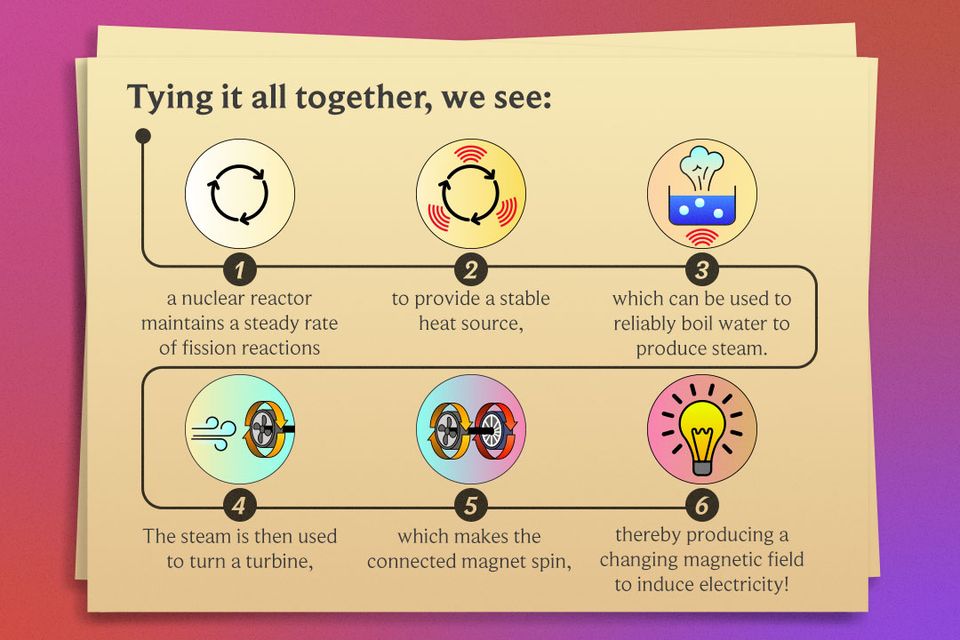
Most people probably know that electricity is induced by a changing magnetic field – typically generated by a spinning magnet. But how do we make a magnet spin? Similar to how blowing on a paper pinwheel makes it turn, we can attach the magnet to a turbine and use a moving fluid to make the turbine spin. Steam is often used, since water is widely available and you just need a source of heat.
This leads to our second point, the defining characteristic of nuclear power is that the source of heat comes from nuclear fission.
Nuclear fission is a process in which a nucleus splits into smaller fragments. During fission, heat energy and neutrons are released. The neutrons may scatter and set off additional fission reactions. By controlling circumstances, we may have more or fewer fission reactions.
Our final point is that a nuclear reactor is a system, where one fission reaction results in another fission reaction. Since each fission reaction produces heat, a steady rate of fission reactions implies a steady rate of heat release.
How do we design this system? Consider an analogy using Jenga building blocks. In a room full of unstable Jenga towers, if one tower falls, most of its blocks will collapse in place, as expected. However, one or two blocks may fly far enough to knock into another tower and make it collapse too.
The likelihood of secondary tower collapses depends on many factors – how closely the towers are located, how tall the towers are, how heavy the individual blocks are, and so on.
For different combinations of these factors, one collapsing tower could trigger many more collapses, or none at all. Now imagine a special combination of factors where one collapsing tower leads to exactly one additional collapse – and that second collapse leads to a third, the third to a fourth, and so on. It is as if the event of one tower collapsing reproduces itself.
The International Atomic Energy Agency has identified 19 areas of infrastructure that are crucial to establishing a nuclear programme. You will find that not all of these are purely technical or about nuclear engineering. Instead, the sector is truly multidisciplinary, comprising legal frameworks, energy economics, manpower development, and much more.
So if you are interested in entering the world of nuclear energy, my advice is simple: whatever your background or skillset, focus on what you do best, keep honing your skills and keep an open mind. You will find space to contribute.