What happens when robots are invited into a Coca-Cola factory?
NOV 28, 2025
|
5-MIN
READ
What happens when robots are invited into a Coca-Cola factory?
Even when you are the industry leader, the thirst for innovation is always
there. Coca-Cola is keeping up with evolving trends and tastes, and it is
more than just coming up with new flavours. For a legacy brand like
Coca-Cola to grow, an agile, robust system that can withstand macro
challenges is a key ingredient. And for this, Coca-Cola turned to the Agency
for Science, Technology and Research (A*STAR), Singapore’s lead
public sector R&D agency, where engineers and scientists in AI, big data,
digital tech and robotics help companies to pilot, scale and deploy
cutting-edge technologies for local and international manufacturing.
This means steps along the manufacturing chain such as adjusting
ingredients, tweaking formulations and producing at the right quantity can
be fine-tuned and executed in real time as sales orders stream in. Digital
connectivity capabilities also make sure that the whole process of filling
and dispensing is smooth and seamless. And by introducing the latest robots
to the manufacturing mix, productivity and efficiencies are boosted. This is
the future of manufacturing.
Here’s a taste of Coca-Cola and A*STAR’s transformative formula
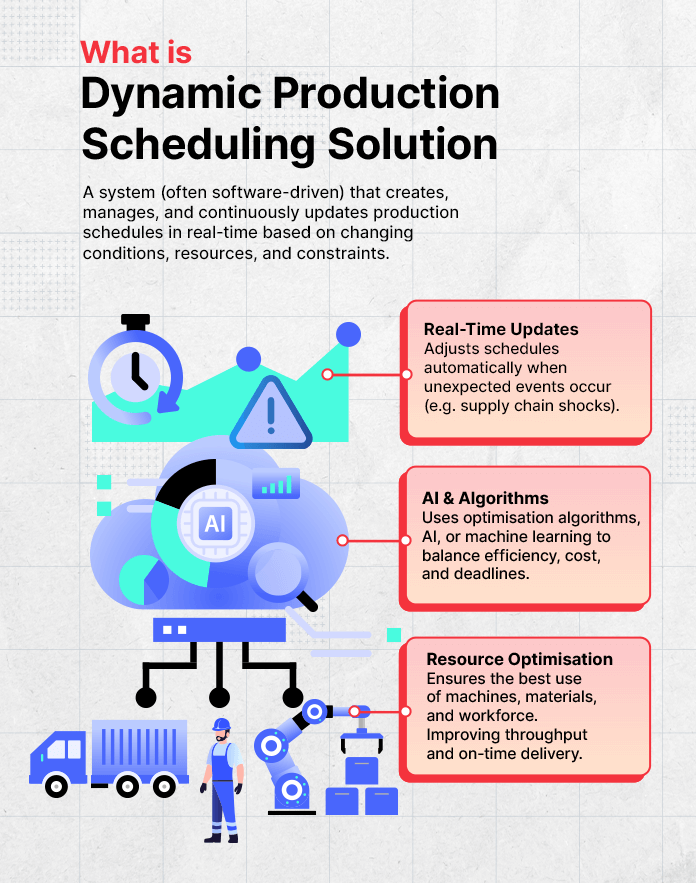
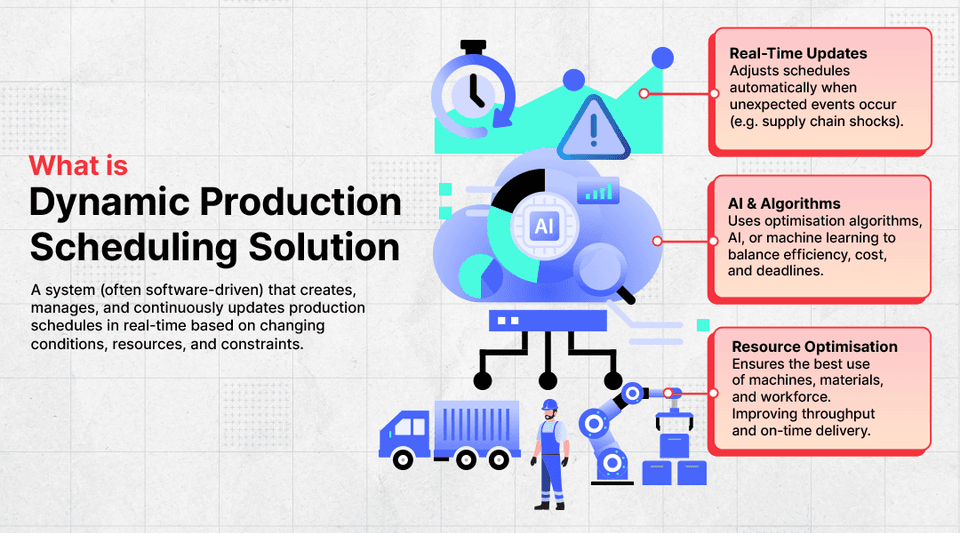
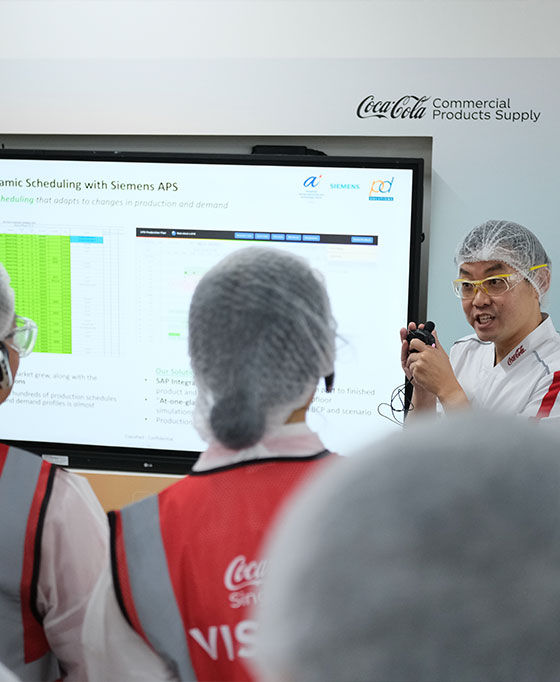
When it comes to the task of fulfilling customers’ orders,
Dynamic Production Scheduling Solution maps production
plans according to customers’ orders in real time. Smarter still, it boosts
efficiency by identifying and consolidating similar orders. This reduces the
number of times a changeover is needed in the production line, delivering
phenomenal time and cost savings, and leading to a 28 per cent throughput
increase.
And no, we haven’t forgotten about the robots.
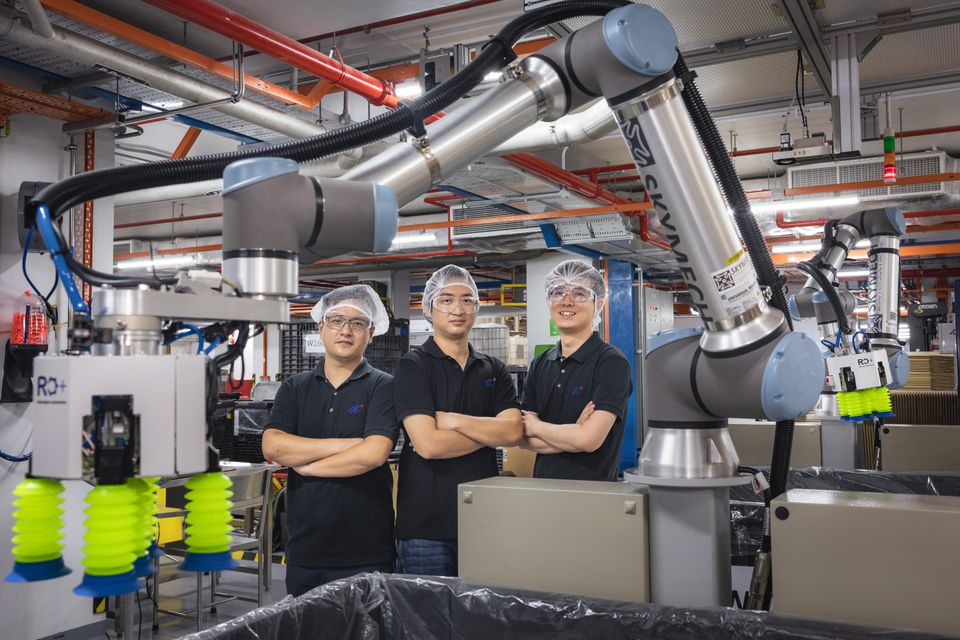
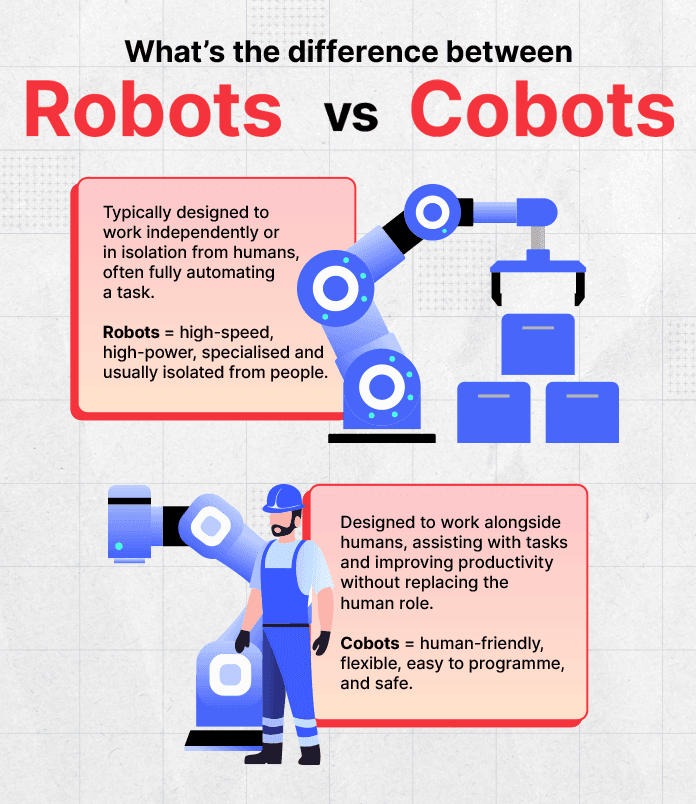
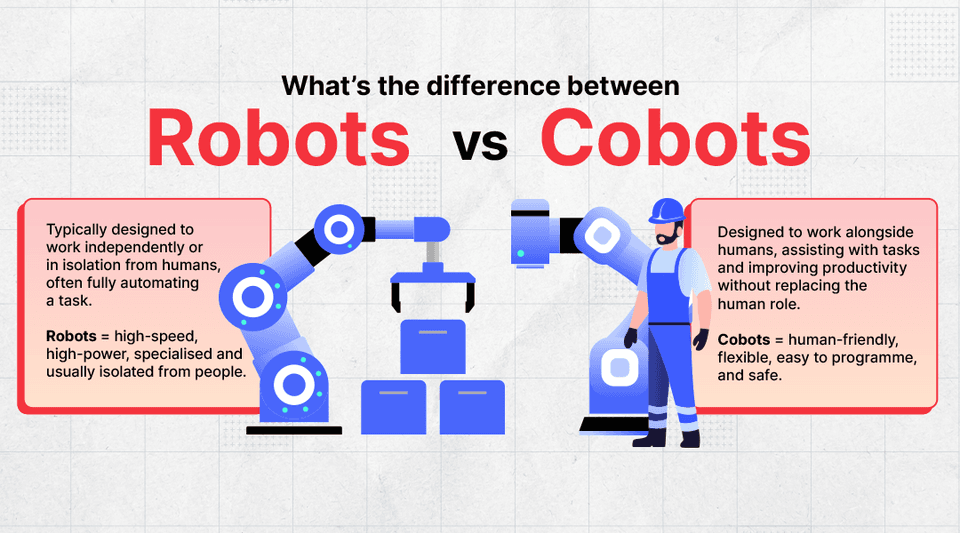
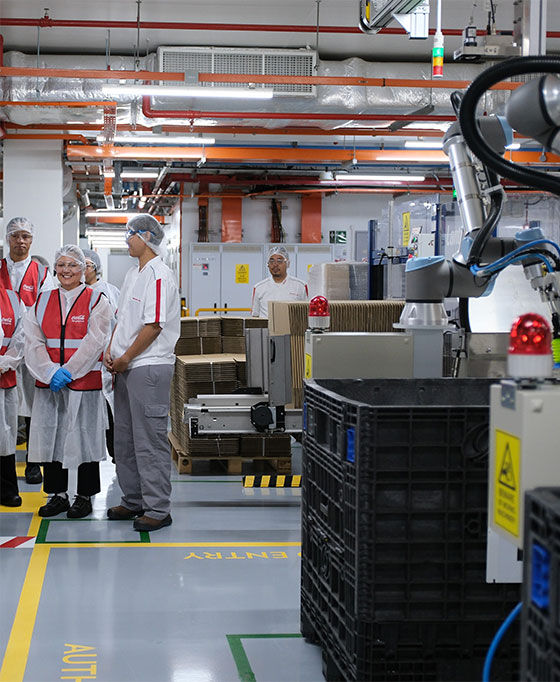
Vision-powered cobots, also called collaborative robots,
are playing an integral part in assembly and packing areas in the factories.
They are designed to automate and perform menial tasks in manufacturing,
increasing labour productivity by 76 per cent. Their advanced competencies
mean they can correctly identify and locate powder bags in various sizes and
pack them in carton boxes with their flexible robotic arms, and this frees
their human counterparts to do more value-added work.
Enter Industry 5.0 – manufacturing our future together
Although humans and machines have been working side by side for some time,
the fifth industrial revolution, Industry 5.0, is not just replacing manual
labour with automation. Technologies that are invented now are human-centric
and collaborative in nature. Innovators use AI and big data to generate
powerful insights and adaptive solutions with the aim of letting workers use
their creativity and exploration, while AI and robots manage repetitive
work. The hallmarks of this technological wave are workers’ well-being,
resilience and sustainability.
These technologies are also part of a bigger effort to upgrade Singapore’s
factories – making them smarter, more productive and better places to work.
A*STAR works with businesses of all sizes to help them adopt
digital tools and automation in ways that boost competitiveness and create
more rewarding jobs.
An insider look at Coca-Cola's state-of-the-art manufacturing facility
that is powered by innovative technologies.
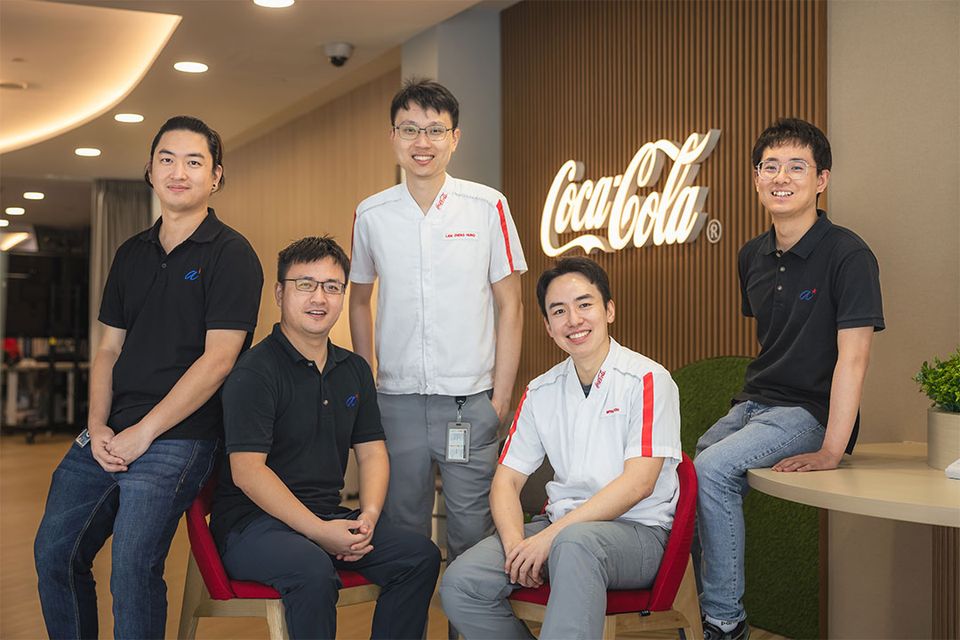
Coca-Cola Singapore has been a member of the A*STAR Advanced
Remanufacturing and Technology Centre (A*STAR ARTC) consortium
for several years. By collaborating with like-minded partners through
platforms such as the consortium and the Sectoral AI Centre of Excellence
for Manufacturing (AIMfg), enterprises like Coca-Cola can harness
cutting-edge technologies and unlock new growth opportunities.
Through its innovation initiatives, Coca-Cola Singapore became the first
FMCG in Singapore to receive the Global Lighthouse status from the World
Economic Forum (WEF), in recognition of pioneering tech adopters who can
inspire broader industry transformation.
As Singapore looks to the future of manufacturing, partnerships like this
showcase how innovation can create tangible business outcomes – from
productivity gains to higher-value jobs for our people. A*STAR
will keep working with businesses to turn ideas into practical solutions
that strengthens Singapore’s manufacturing sector, one technology at a time.