Opening doors to new markets: Singapore’s ties with the Pacific Alliance
DEC 17, 2025 | 5-MIN READ
Government officials will never ask you to transfer money or disclose bank log-in details over a phone call.
Call the 24/7 ScamShield Helpline at 1799 if you are unsure if something is a scam.

FEB 5, 2026 | 5-MIN READ
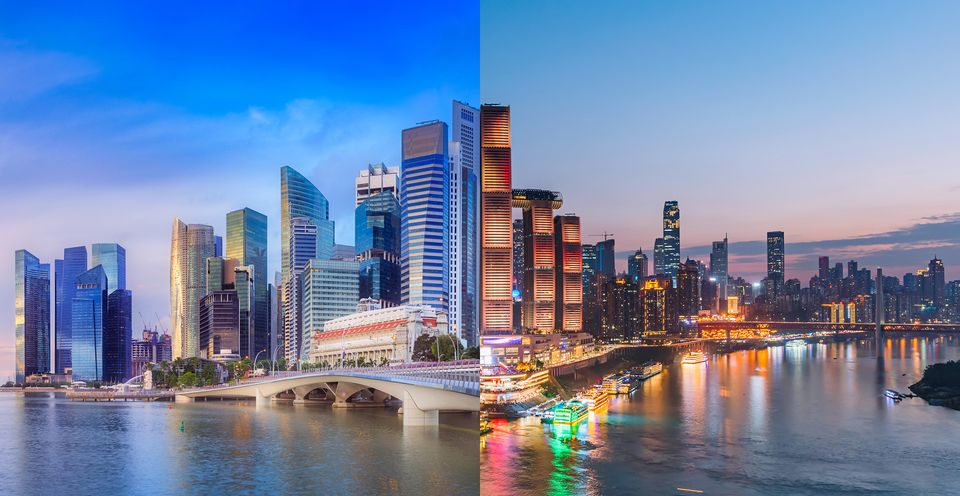
When most Singaporeans think of Chongqing, hotpot probably comes to mind.
But there’s another thing simmering beneath the surface: a long-term partnership with Singapore that’s quietly transforming how trade, capital and innovation flow across Asia.
Ten years ago, Singapore and Chongqing launched the China-Singapore (Chongqing) Demonstration Initiative on Strategic Connectivity – or CCI for short. Built on trust and anchored in long-term thinking, the initiative has reshaped how Western China connects with Southeast Asia and the world.
The result? Greater connectivity, bigger trade and investment flows, and deeper collaboration. Singapore’s total investment in Chongqing has more than doubled since the CCI’s launch in 2015. And what we’re seeing today is just the opening act.
As the CCI marks its 10th year, we look back at some of the impactful projects – and why the next chapter looks even more exciting.
Money doesn’t sleep – and with the CCI, it doesn’t stop at borders either.
Since its launch, the CCI has facilitated 298 cross-border financing projects amounting to US$21.8 billion (S$27.6 billion). From January to November 2025 alone, 36 projects secured a combined total of US$500 million (S$633.3 million).
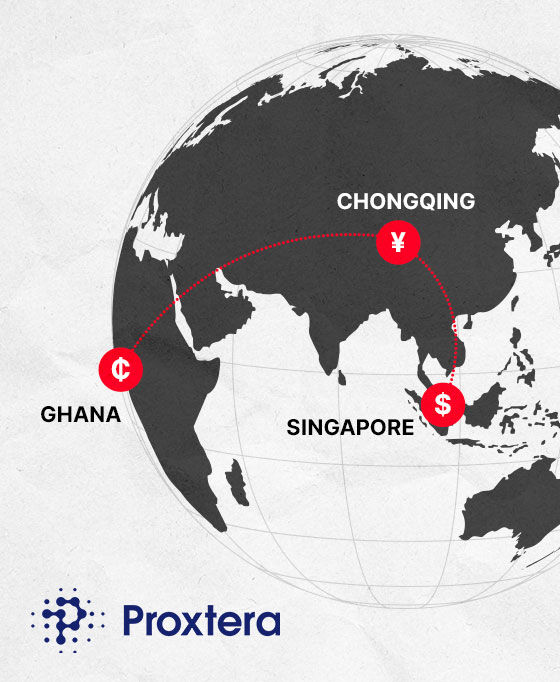
One of these projects is Proxtera, launched in 2020 as the result of a pilot initiative by the Monetary Authority of Singapore (MAS) and the Infocomm Media Development Authority (IMDA). Proxtera helps micro, small and medium enterprises in Chongqing plug into global trade finance. Notably, in 2024, two live trades between Chongqing and Singapore, as well as Chongqing and Ghana, were successfully completed on Proxtera’s platform, leveraging its integrated digital trade and financing services.
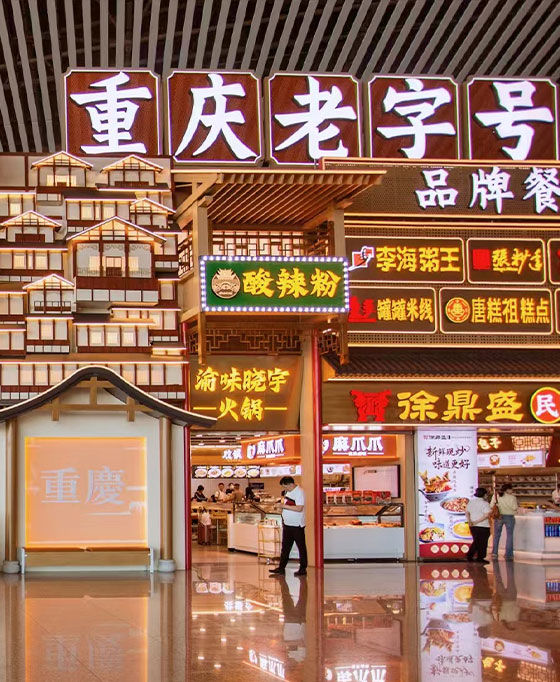
What happens when Singapore's retail expertise lands in Chongqing?
You get the best of both worlds: a top-class airport shopping experience at Chongqing Jiangbei International Airport layered with photo spots that are distinctively Chongqing. The 40,000 m2 tenanted space brings together international brands such as Burberry, Longchamp and Swarovski, alongside popular local brands such as Chow Tai Fook Jewellery, Beijing Tong Ren Tang and Sexy Tea (Cha Yan Yue Se), each contributing to a strong sense of place. From Audi’s VIP Service Centre to a drive-in car cinema at the airport, new concepts are constantly being tested to redefine the future of commercial experiences. These milestones were made possible through a joint venture between Changi Airports International and Chongqing Airport Group Co.
On a separate runway, air connectivity between Singapore and Chongqing has also taken off. Today, there are 24 weekly direct flights between the two cities – the strongest air link between Singapore and any city in Western China – forging closer people-to-people ties, and making business, tourism and collaboration more seamless than ever.
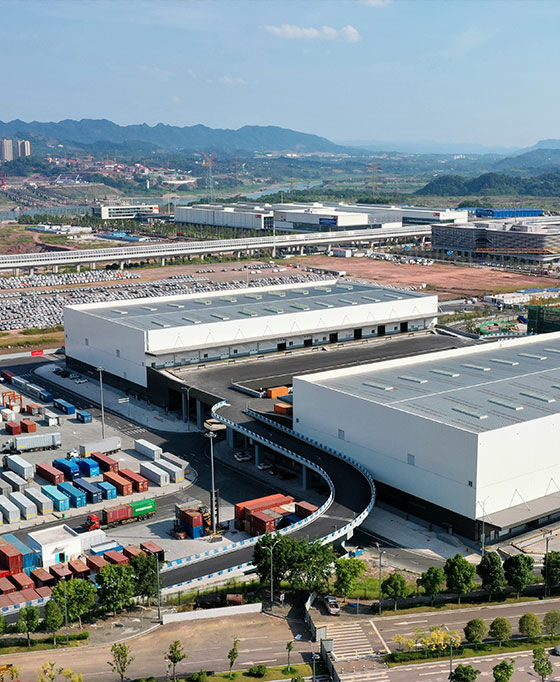
Ten years ago, if you shipped goods from Western China to Singapore, it could take up to three weeks. Today? Just seven days.
That’s the power of the CCI – New International Land-Sea Trade Corridor (CCI-ILSTC). By connecting Chongqing to Qinzhou (Beibu Gulf, Guangxi) by rail, and onwards to Singapore and beyond by sea, this route has become a lifeline for businesses moving goods faster.
A noteworthy development along the trade corridor is the 40,000m² Multimodal Distribution and Connectivity (DC) Centre, jointly developed by Singapore and Chongqing companies. Launched in 2022, it acts as a physical hub for seamless logistics, integrating major road, rail and river logistics nodes.
Connectivity under the CCI isn’t just about moving goods – it’s also about moving ideas.
This is where the Joint Innovation Development Fund (JIDF) comes in. Since its launch in 2019, the JIDF has supported 17 joint projects in areas like smart tourism, trade logistics and Internet of Things (IoT) applications, with cumulative investments of S$2.17 million from Singapore and RMB 13.42 million (S$2.4 million) from Chongqing.
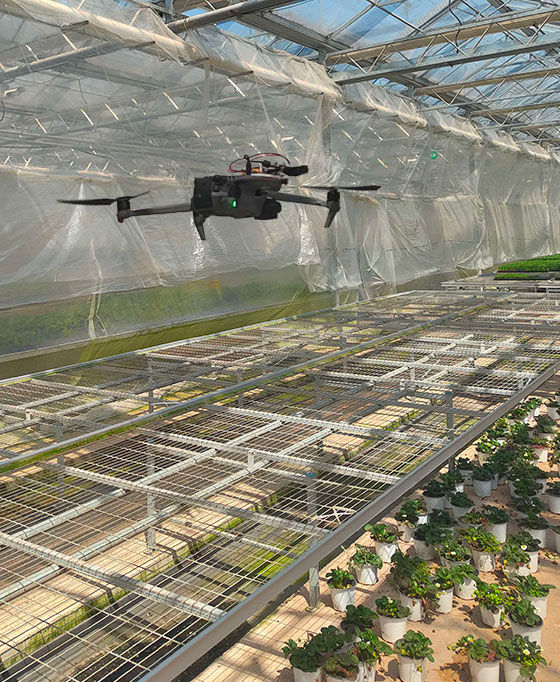
One example is Vilota, a Singapore-based startup that specialises in visual positioning systems to address challenges in mining, robotics and more. With support from the JIDF, Vilota co-developed an intelligent Low-Altitude Cloud Eye platform with Chinese company Ganwei Software, aimed at applications in logistics and agriculture.
As a trusted platform for innovation and collaboration, the CCI has paved the way for Singaporean companies to venture into China’s fast-evolving inland regions.
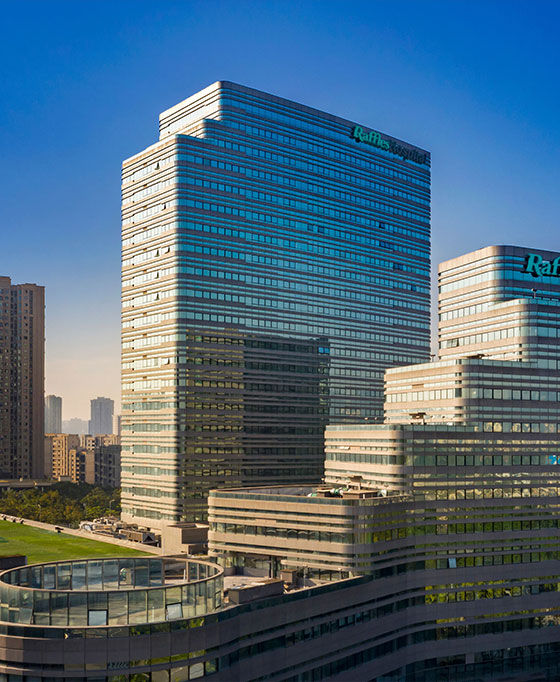
One that’s now making waves in Chongqing’s healthcare scene is Raffles Hospital Chongqing.
When it opened its doors in 2019, it made history as the city’s first foreign-owned general hospital. Today, it has carved out a reputation in the region, with more than 22,000 inpatient and outpatient visits in 2024. Beyond numbers, it has partnered with First Affiliated Hospital of Chongqing Medical University on joint training, talent exchange and R&D in medical AI.
What’s next? Here's where things get exciting.
As the world leans towards smarter, greener growth, so too will the CCI, focusing on newer sectors such as green finance, digital trade, healthcare, smart cities and education, with digitalisation and sustainability at the core.
Here’s a glimpse of the future: wind and solar assets are being developed at Qinzhou Port to green the trade corridor; Singapore-based healthcare and real estate company Perennial is planning a 1.2 million sq ft healthcare city near Chongqing East HSR – a key transport nexus linking major cities including Beijing, Guangzhou and Xiamen; and efforts are underway to accelerate the adoption of electronic trade documents.
All of this deepens connectivity, expands collaboration in green and digital economies, and keeps the momentum going for the next 10 years and beyond.
Singapore and Chongqing may be thousands of kilometres apart, but over the past decade, we’ve grown remarkably close – not just in trade, but in trust, talent and shared ambition.
More than just a bridge that’s stood the test of time, the partnership is a blueprint for how modern economies can grow together.
And if the next decade is anything like the first, this quiet transformation is only just beginning.