You’ve tasted their work.
You just don’t know it.

From chilli crab to a bag of chips, we follow the people reimagining one of Singapore’s best-known dishes.

The people behind the flavours we love


Think about the last packet of chips you tore open. The instant noodles you had as a midnight snack. The iced tea you picked up by the carton from the supermarket. Each had a flavour that someone, somewhere, carefully designed.

At a facility along Buroh Lane, a team of specialists has spent nearly six decades doing exactly that. Founded in 1968, KH Roberts is Singapore's first homegrown flavour house.

As we enter the grounds, a KH Roberts rep – our guide for the day – jokingly describes the company as "the brand behind the brands". It is an apt description because there is a good chance you have tasted their work without ever knowing their name.

Working with clients ranging from multinational food corporations to local startups, KH Roberts creates flavours that go into instant beverages, confectionery, snacks, dairy, and even health and wellness products.

Today, we follow the KH Roberts team as they turn one of Singapore’s most iconic dishes into a flavour.

The dish? Chilli crab.
Background image mobile

Cracking the chilli crab code


The starting point looks more like dinner than laboratory work.

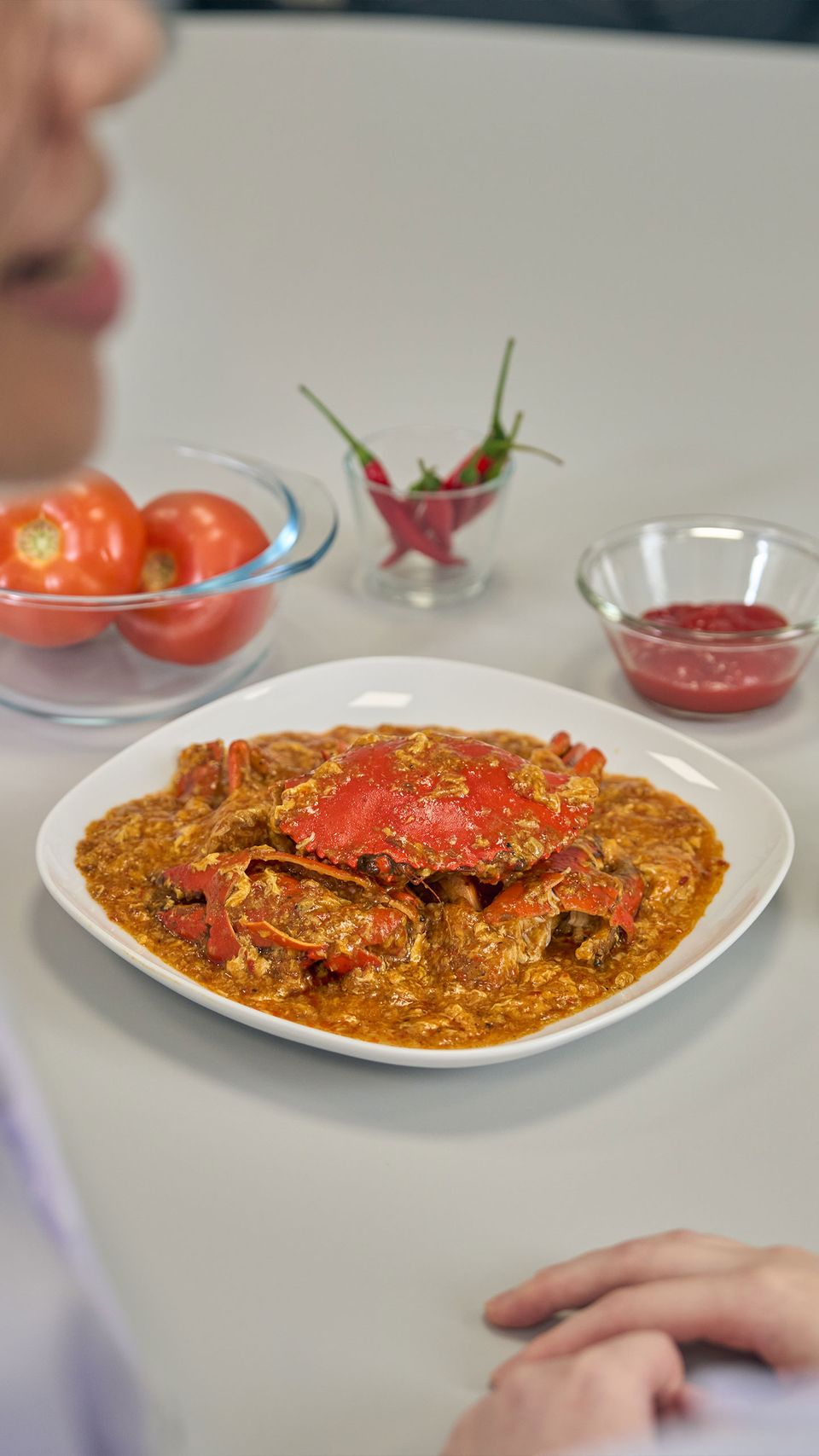
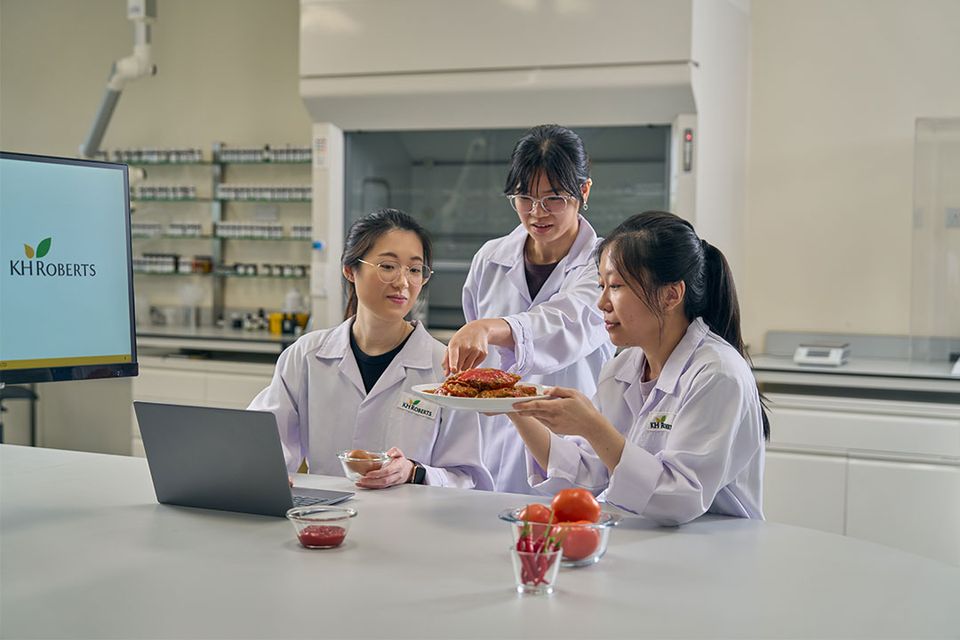
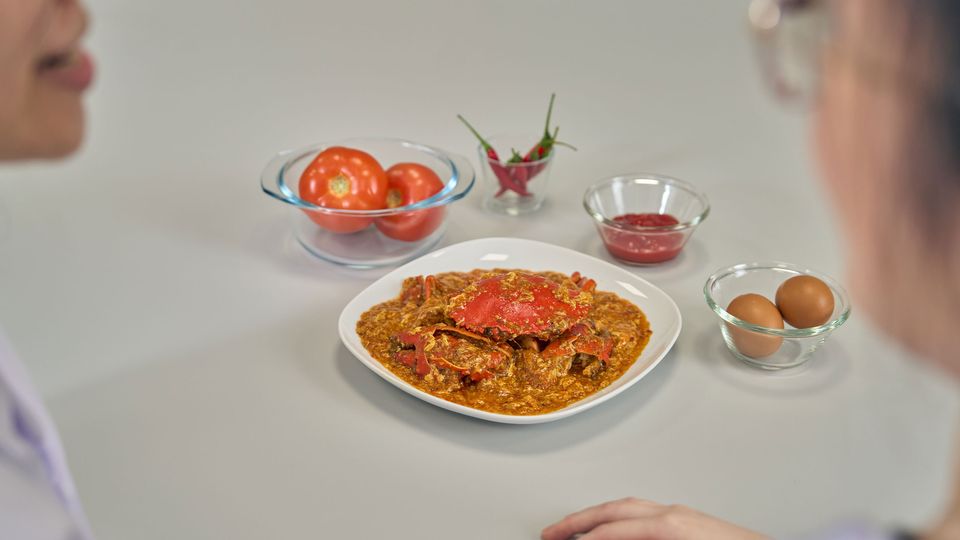
A tantalising plate of chilli crab sits on the lab bench, surrounded by some of its familiar building blocks: chillies, tomatoes, ketchup and eggs. The flavourists – the architects behind the taste and aroma of consumer products – gather around to sample, smell and discuss what is in front of them.

But what makes chilli crab taste like chilli crab?

Here's the catch: there is no single "correct" version. Every chef and restaurant has a slightly different take. So the team's first task is not simply to replicate the dish – it is to decide which interpretation of chilli crab to aim for.

Team evaluating chilli crab

The flavourists have a lot to consider. What will appeal most? How might that oh-so distinctive flavour profile taste when it isn’t a bowl of glistening gravy?

Once they have decided, the crab goes to the laboratory.

Background image mobile

Reading the aroma


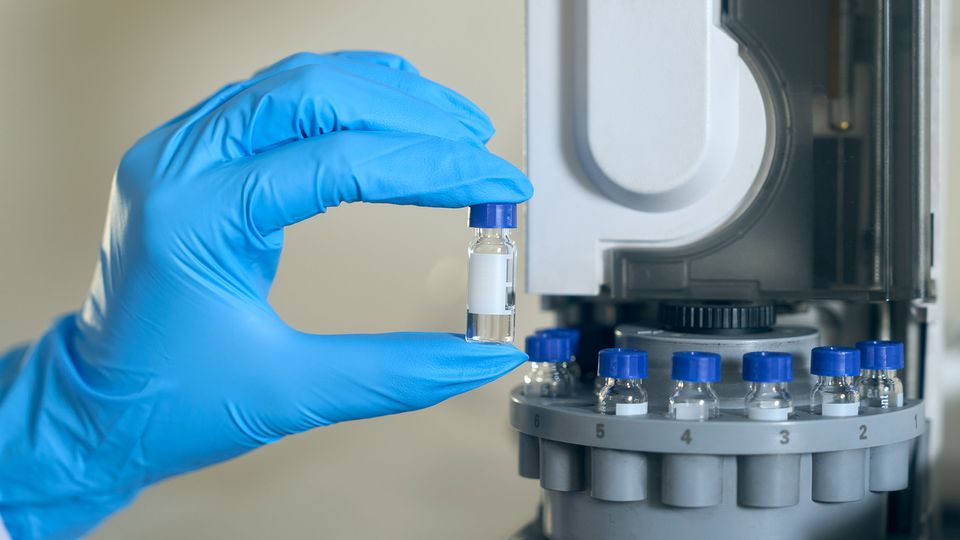
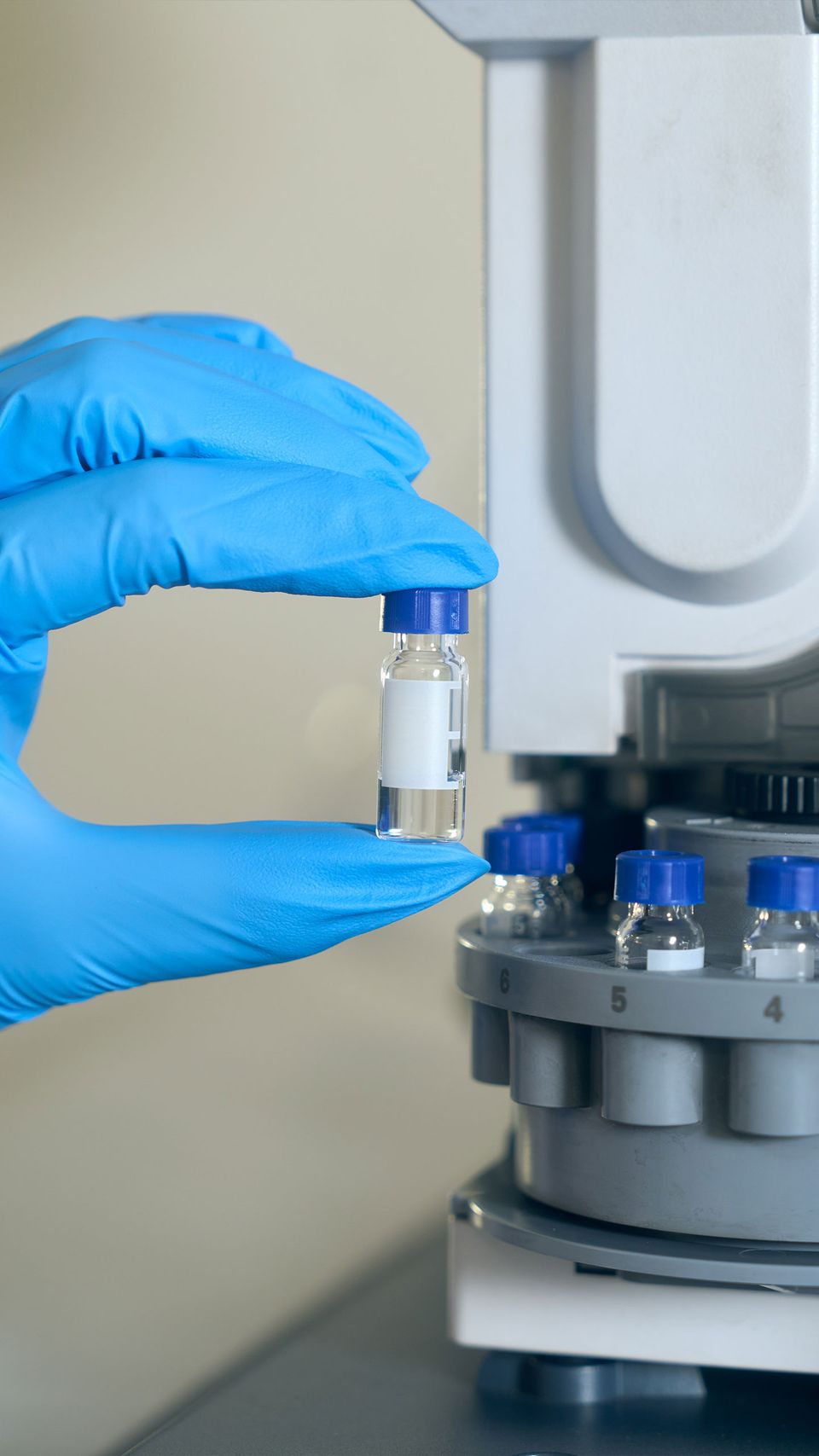
At the Analytical Laboratory, the gravy is prepared for analysis. An extract is transferred into tiny glass vials, which are then loaded into a gas chromatography-mass spectrometry instrument – GC-MS, for short.

Think of it as a flavour fingerprinting tool.

The machine vaporises the samples and produces a chromatogram: a graph of peaks, each representing a compound present in the chilli crab gravy. This gives the analytical chemist clues as to which compounds may be contributing to its aroma.

Alongside the machine, the chemist uses another finely tuned instrument: her nose. As the aroma compounds emerge, she sniffs them through an olfactometer tube and connects the analytical data to a sensory impression.
The resulting report becomes a framework for the flavourists to work from.

But it is not a complete picture. Certain nuances of aroma and taste cannot be captured by a chromatogram alone. The instrument may also detect trace compounds that are irrelevant to the taste profile – background noise that need not make its way into the final formula.

After all, a machine cannot decide whether something truly smells like dinner.

Where science meets instinct


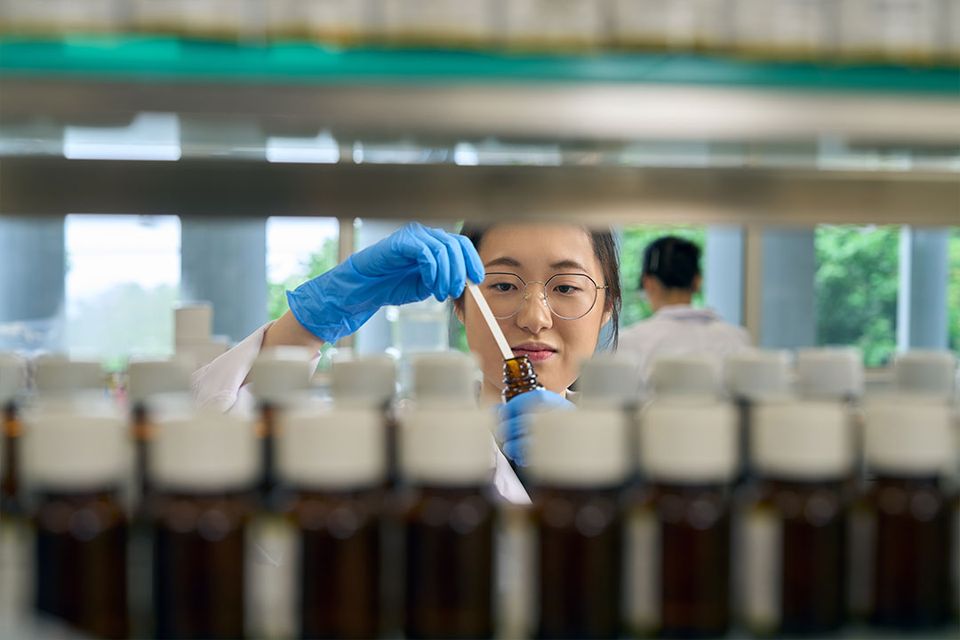
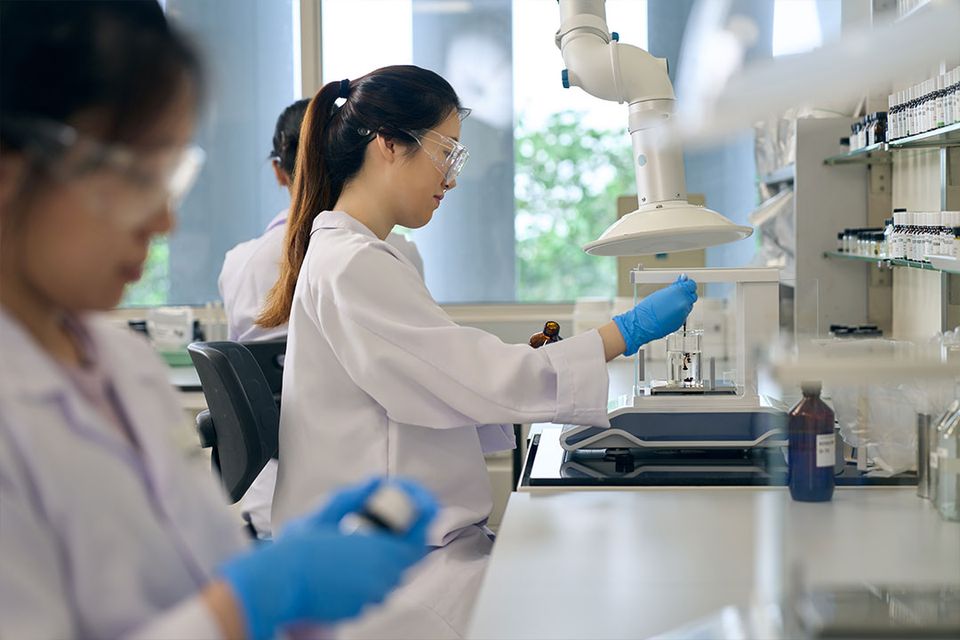
Inside the Creation Laboratory, the air is thick with aromas. Racks upon racks of bottled food flavouring ingredients line the room.

Here, the flavourists begin to build.

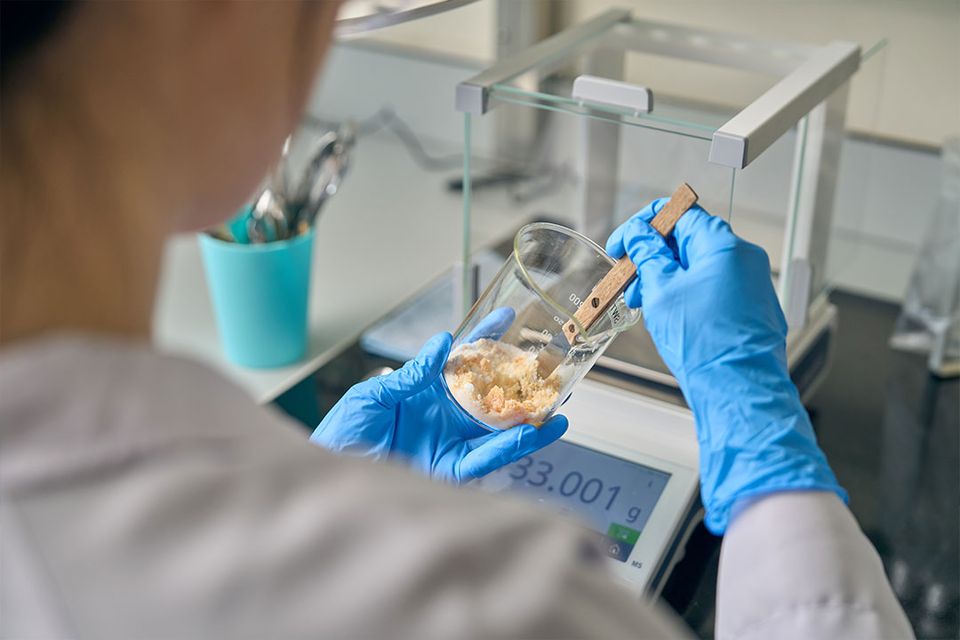
Working with pipettes and scales, they combine ingredients in a carrier. They measure minute quantities and record every addition. Precision matters: a little too much of one component can send the flavour in an entirely different direction.

Lab work Lab work

A flavour can be formulated as a liquid or a powder, depending on how it will eventually be used.

Liquid mixing
Powder mixing

This, the team tells us, is where hard science meets art. Give two flavourists the same formula and ingredients, and they may still produce different results – much as two artists can approach the same subject and create distinctly different works.

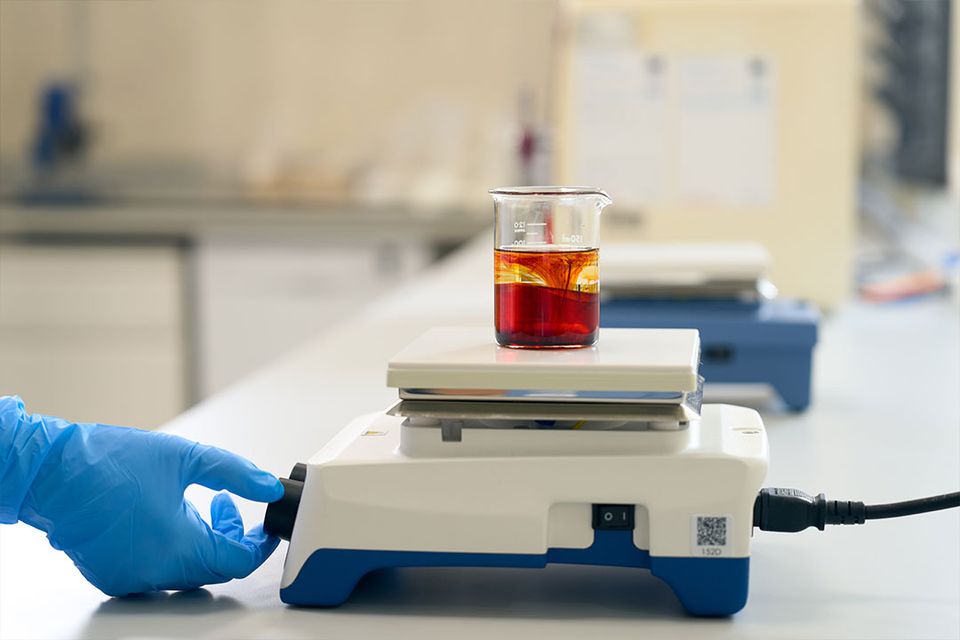
We watch intently as a magnetic stirrer – a nifty device that blends liquids hands-free – swirls a cloudy solution into an even mixture. Soon, the flavour is ready for the next laboratory.

Background image mobile

Where flavour meets food


We follow it to the Application Laboratory, which looks less like a lab and more like a professional kitchen.

A flavour can behave differently in noodles, biscuits or a beverage. It is therefore up to an application technologist to mix, bake and cook with it, testing whether it still performs once introduced into an actual product.

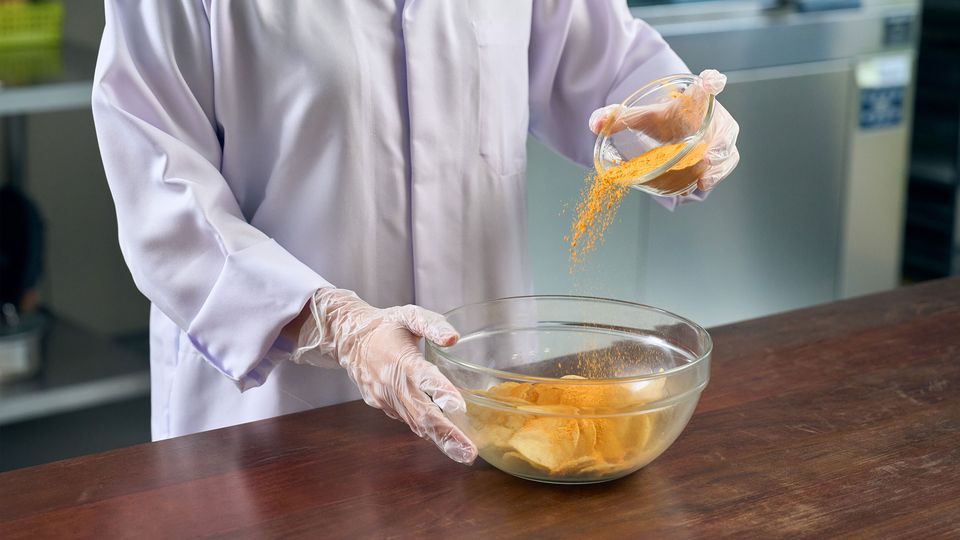
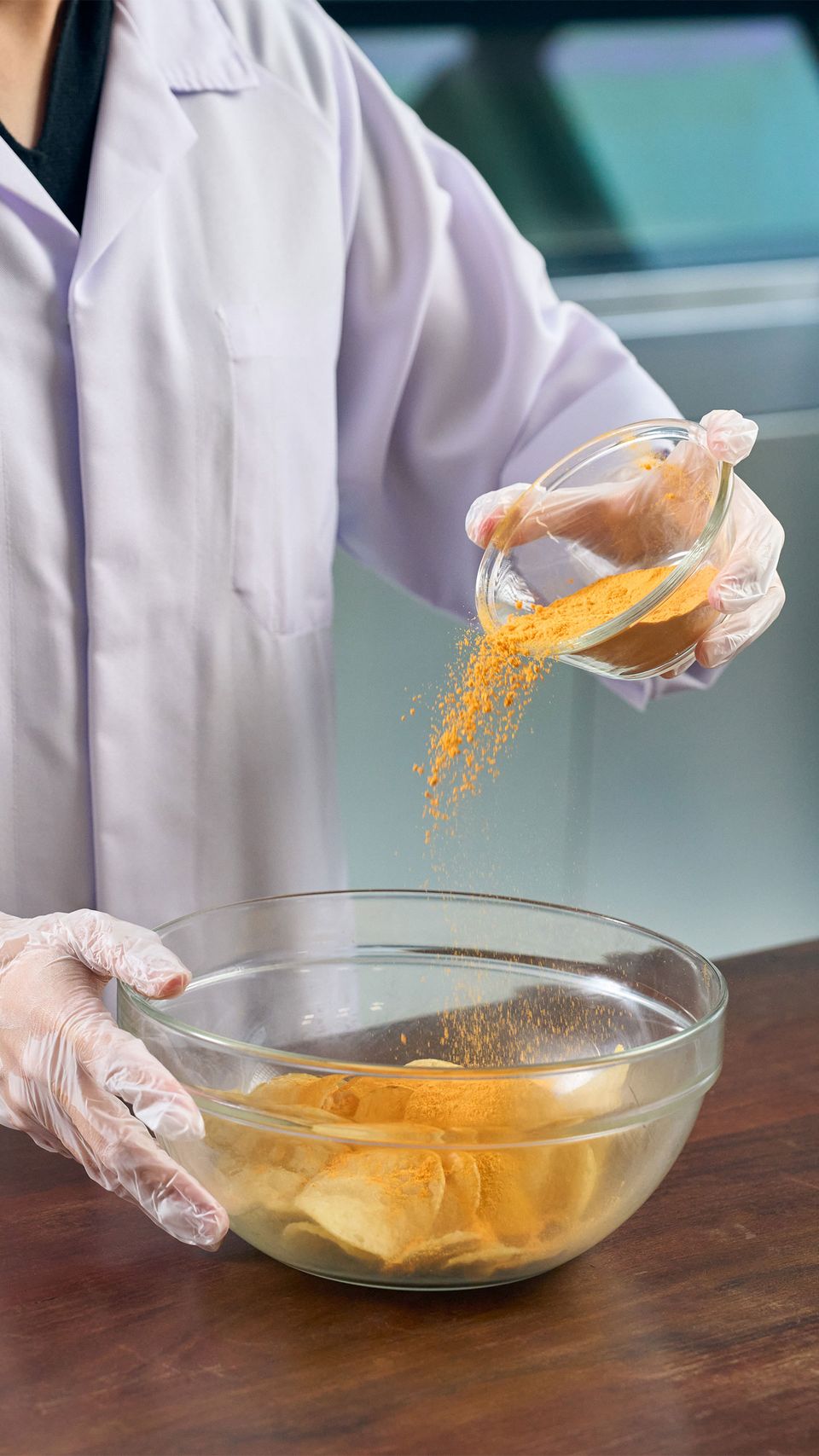
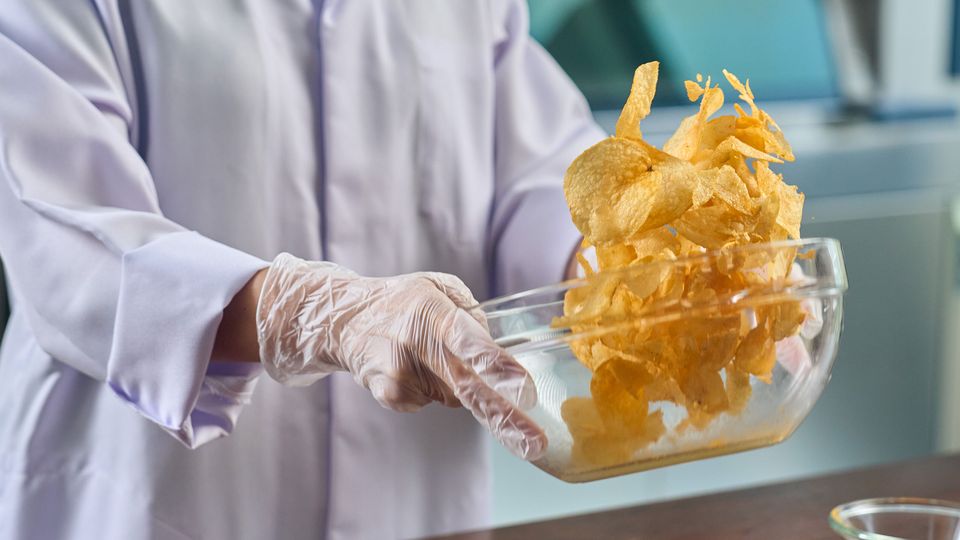
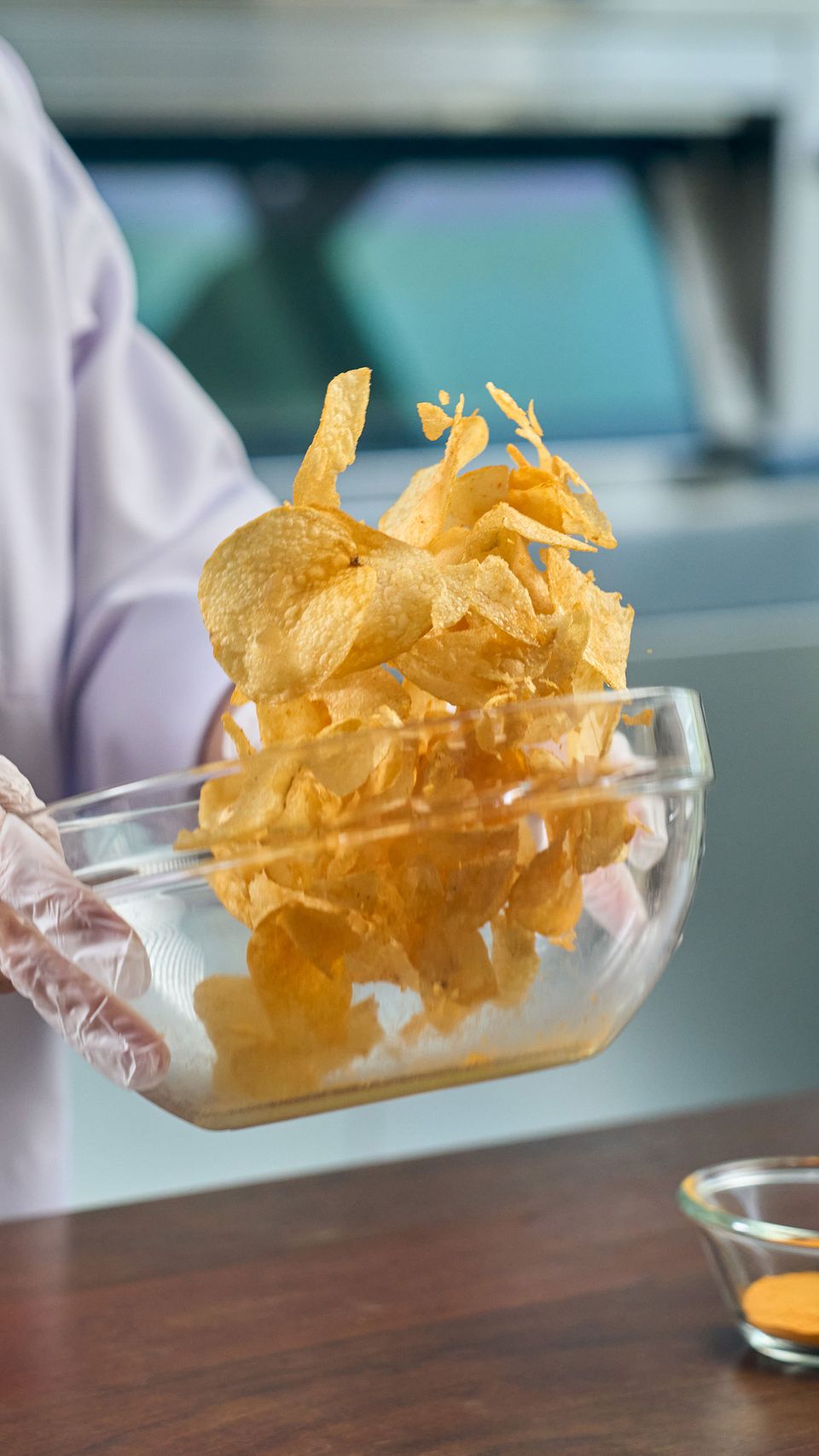
Here, the application technologist takes the freshly made chilli crab seasoning – now in powdered form – and scatters it over plain potato chips. She gives them a good toss until they are evenly coated.

Background image mobile

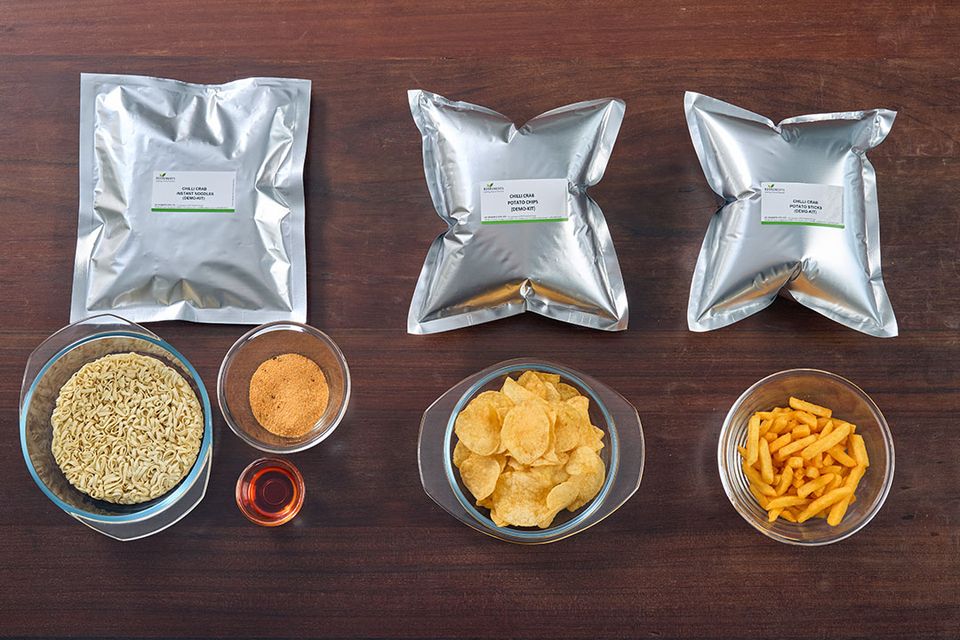
Before us is a demo kit: an edible prototype of what the finished product could become.

The bowl of chilli crab-flavoured chips certainly looks ready to be eaten.

Taste, tested


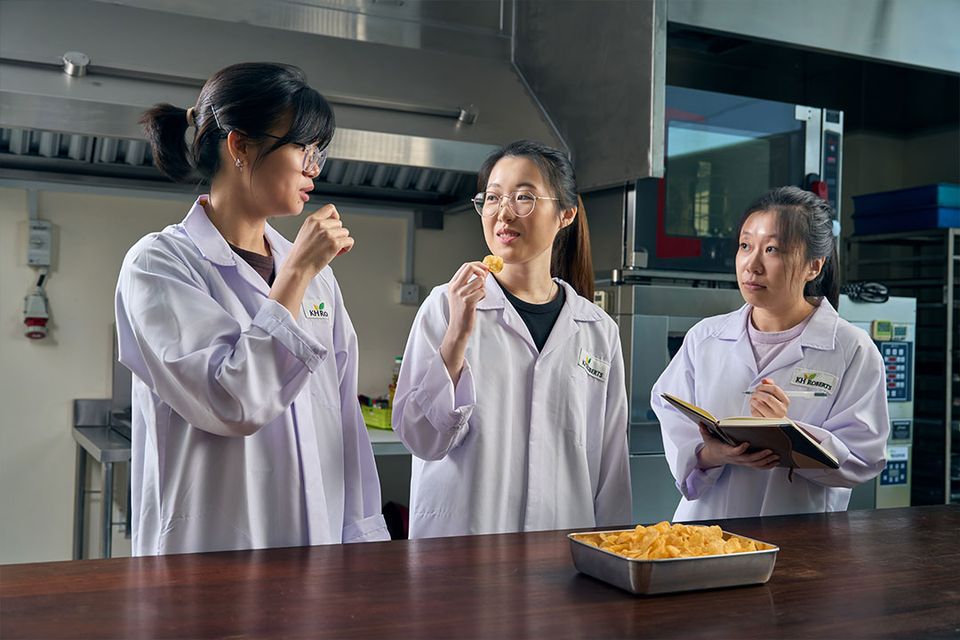
The flavourists gather once again for a quick tasting of the demo kit.

Taste testing

They take a bite. There is a pause, then a conversation. Does the chilli come through too strongly? Does the richness of the egg need more presence? They jot down notes as they discuss and debate.

This is the stage they find most intriguing. Even trained flavourists working on the same project may have sharply different opinions because taste is, ultimately, subjective – shaped by culture, memory and expectation. For the team, it is a challenge they relish.

Taking colour out of the equation


Further evaluation takes place in the Sensory Evaluation Room.

As we step inside, the room is washed in green light. It is an unusual sight, but there is a reason for it.

The coloured lighting – which can also be blue, purple, red or yellow – masks the samples’ true appearance, removing colour as a bias that could influence the evaluation. For instance, a vivid red strawberry-flavoured product might lead one to perceive it as sweeter or more intense before even taking the first bite.
In the room, a select group of tasters
– known internally as “panellists” –
sit in individual booths as if they were in a Tokyo ramen joint. They each receive a tray of potato chips through a small hatch before being left to focus on the task at hand.
Each sample is identified only by a number. The panellists taste the different versions, then record their feedback on a tablet.

Their responses help the flavourists determine whether they have nailed the flavour or need to return to the formula and make further adjustments.

Once a flavour clears internal evaluation, the demo kits are sealed and sent to the client.

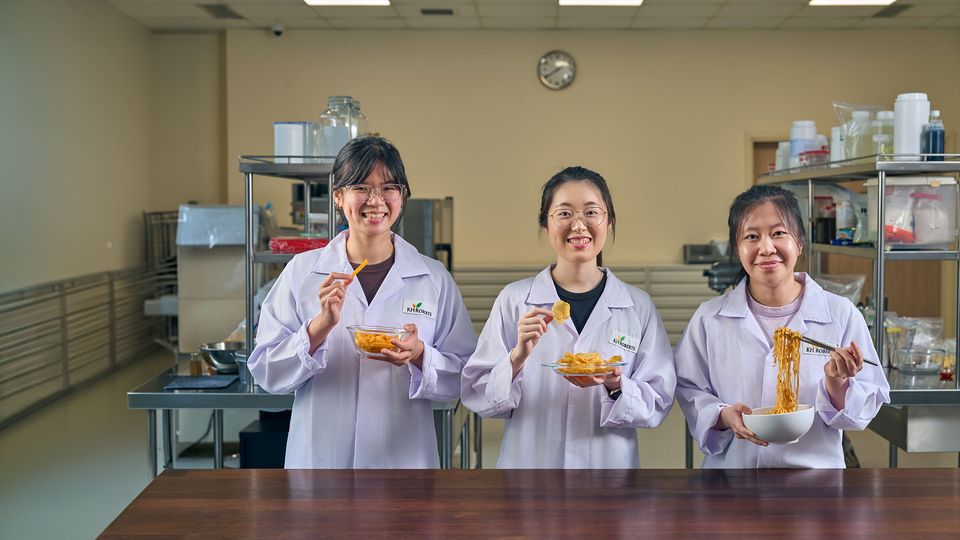
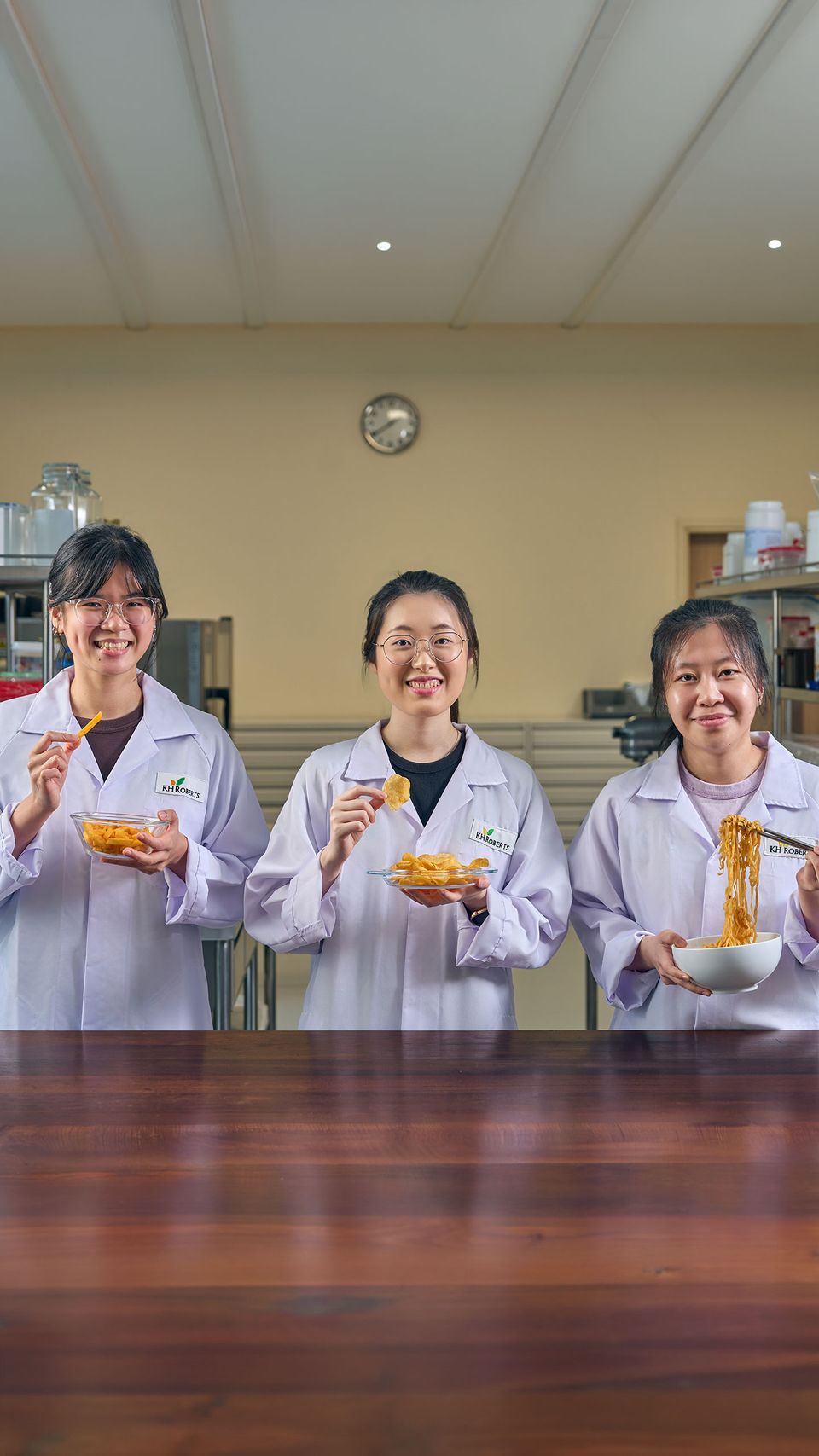
The potato chips are only one possible expression of the flavour. The team has also prepared demo kits in the form of potato sticks and instant noodles.

Demo kits

It is now the client’s turn to taste and evaluate the flavour.

Some projects wrap up in weeks. Others take months, with multiple rounds of feedback and refinement before the final flavour is approved.

KH Roberts’ longest flavour-matching project took two years and more than 20 attempts. The flavour in question? Lemon.

How long today’s project will take is anyone’s guess. Recreating a familiar flavour is anything but easy. After all, everyone has their own idea of what chilli crab should taste like.

But when the client eventually signs off on the flavour, it will mark the end of experimentation at the laboratory scale – and the start of something much bigger.

Background image mobile

Flavour,
perfected at scale


Once approved, a flavour moves from the laboratory to KH Roberts’ production facility, where the formula is scaled up for commercial manufacturing.

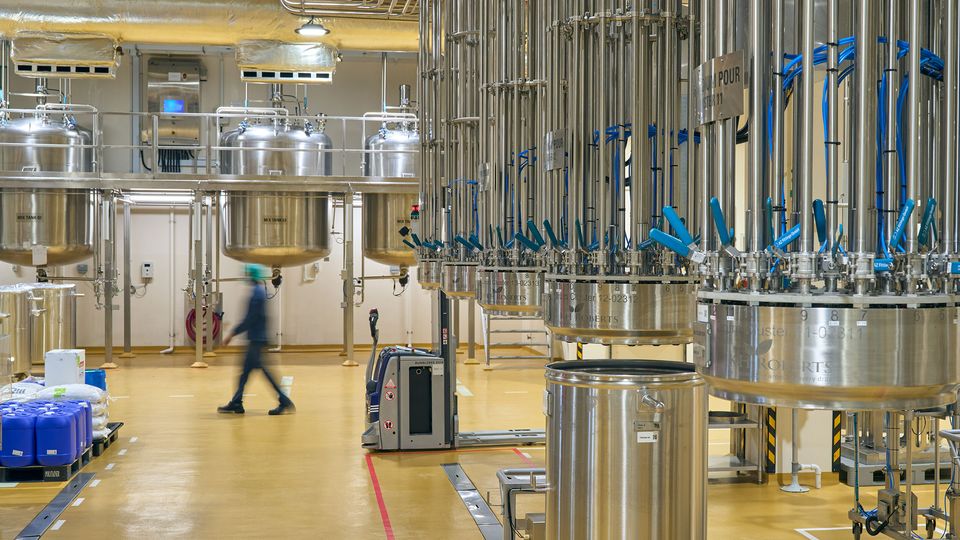
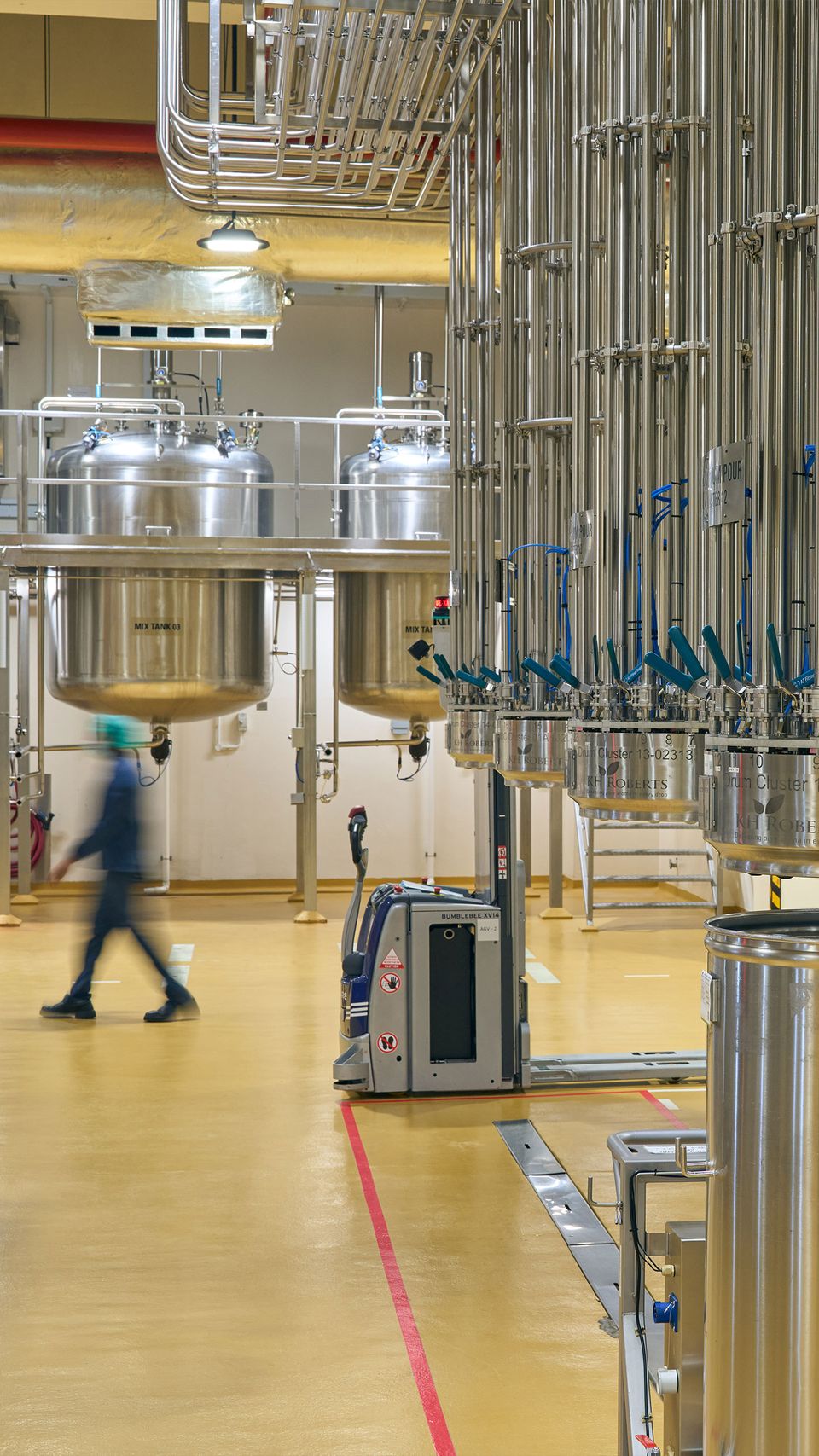
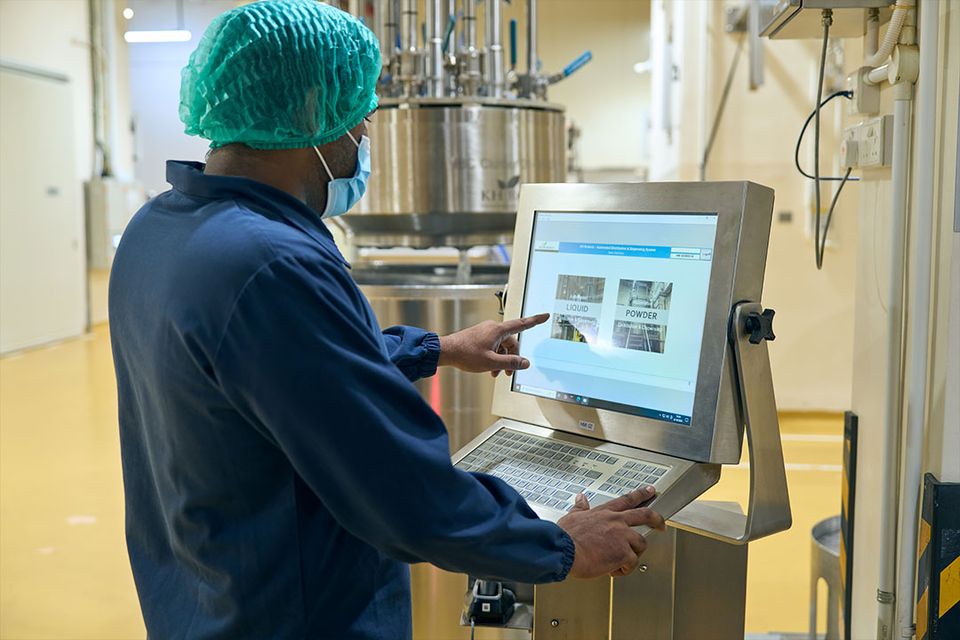
The production floor is a landscape of stainless steel: towering vats, automated dispensing lines and pipes running from floor to ceiling.

Production facility

Much of the process is digitised and automated. A formula perfected at lab scale must retain the same approved flavour profile when produced on a commercial scale.

Automated systems dispense ingredients with a level of precision that manual pouring cannot match. Every batch follows the same formula, in the same sequence and to the same specifications.

Every step is also recorded for traceability. Should a batch ever be flagged, the system can trace the issue to a specific ingredient, shift or operator.

This is how consistency is maintained. When the pack of chips you buy today tastes just like the one you bought weeks ago, this careful control is a big part of the reason.

The finished flavours leave the facility as liquids, powders or granules, depending on the client’s manufacturing needs.

Background image mobile

The flavour makers


While many flavourists have a background in Food Science and Technology, most learn through years of apprenticeship and specialised on-the-job training.

Much as a chef hones their craft, flavourists develop their abilities by doing, tasting, failing, adjusting and building a vast sensory library in their memory.

The most experienced flavourists spend years refining their craft.

What keeps them at it is variety. Each project is a new puzzle: a different flavour, a different application, a different market. With KH Roberts’ operations spanning Asia and supplying clients globally, that range is vast.

When we ask what brings them the greatest satisfaction, their answer is unanimous: seeing a flavour they refined through attempt after attempt finally appear on the market.

So, the next time you open a bag of chips or lift a can of soda to your lips, consider this: someone probably spent weeks – even months – getting that taste exactly right.

And now you know – the flavour makers at KH Roberts may well be behind it.